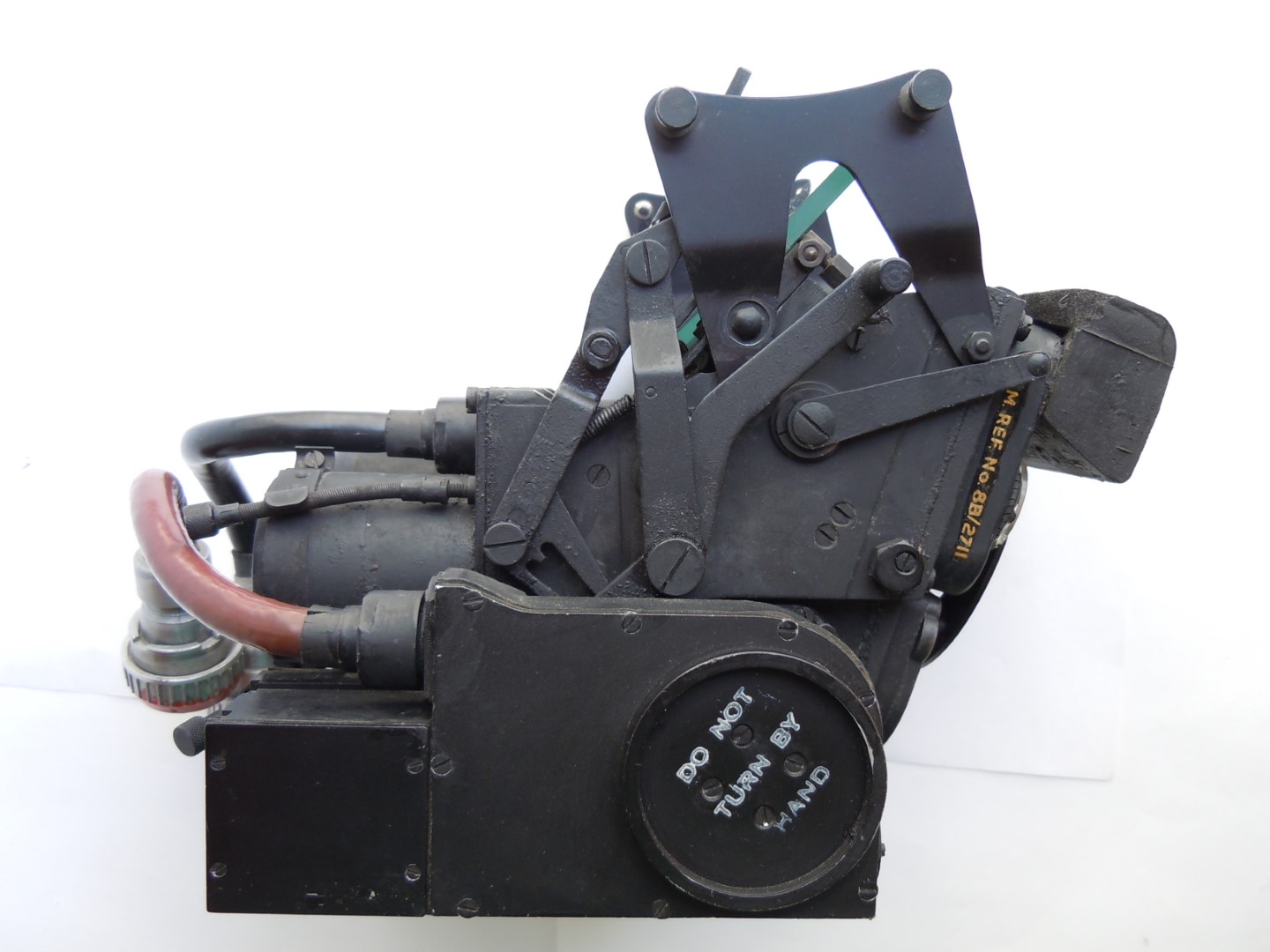
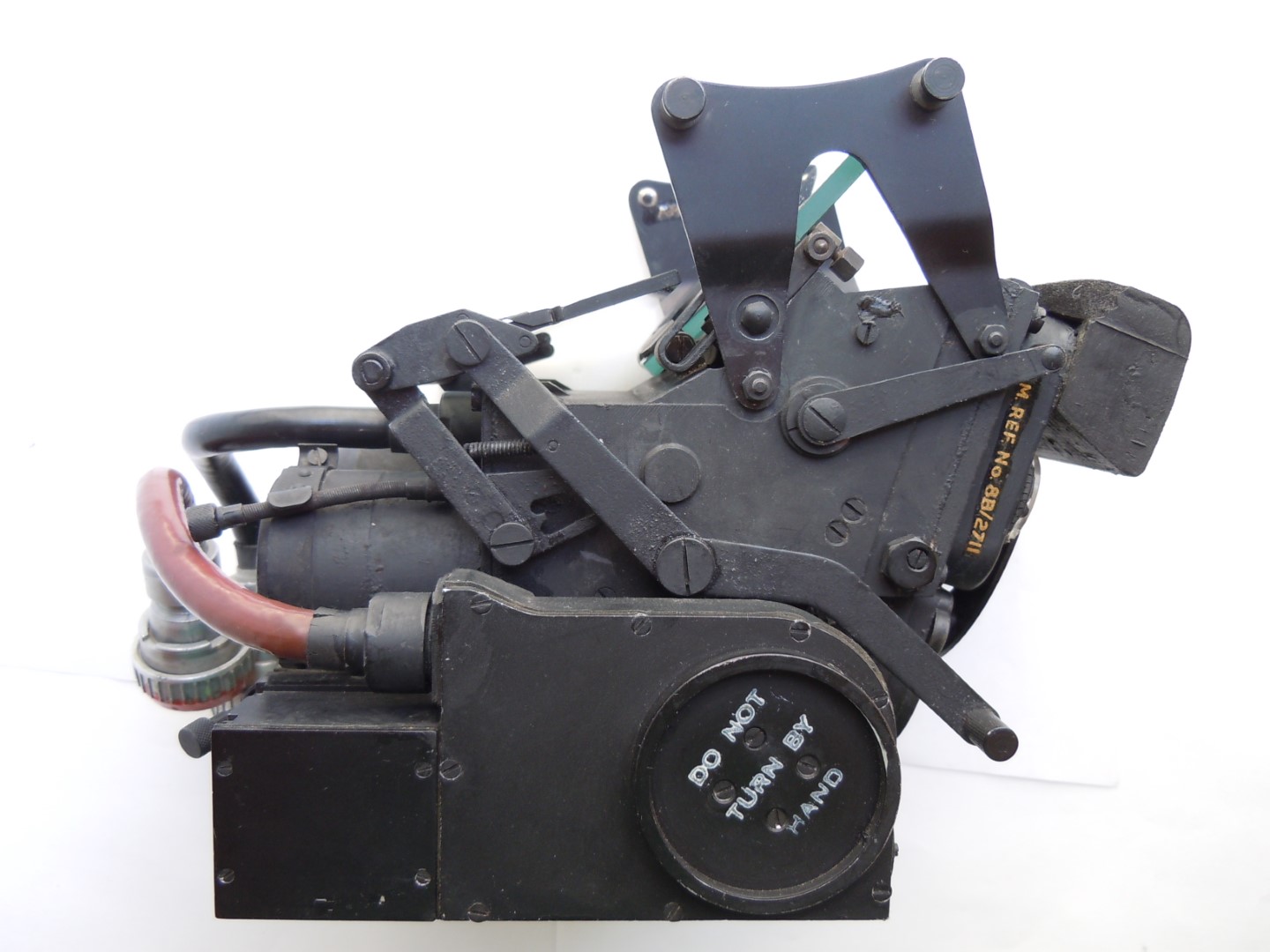
Angeboten wird dieses originale und äußerst seltene britische Kreiselvisier vom Hersteller Ferranti aus Edinburgh.
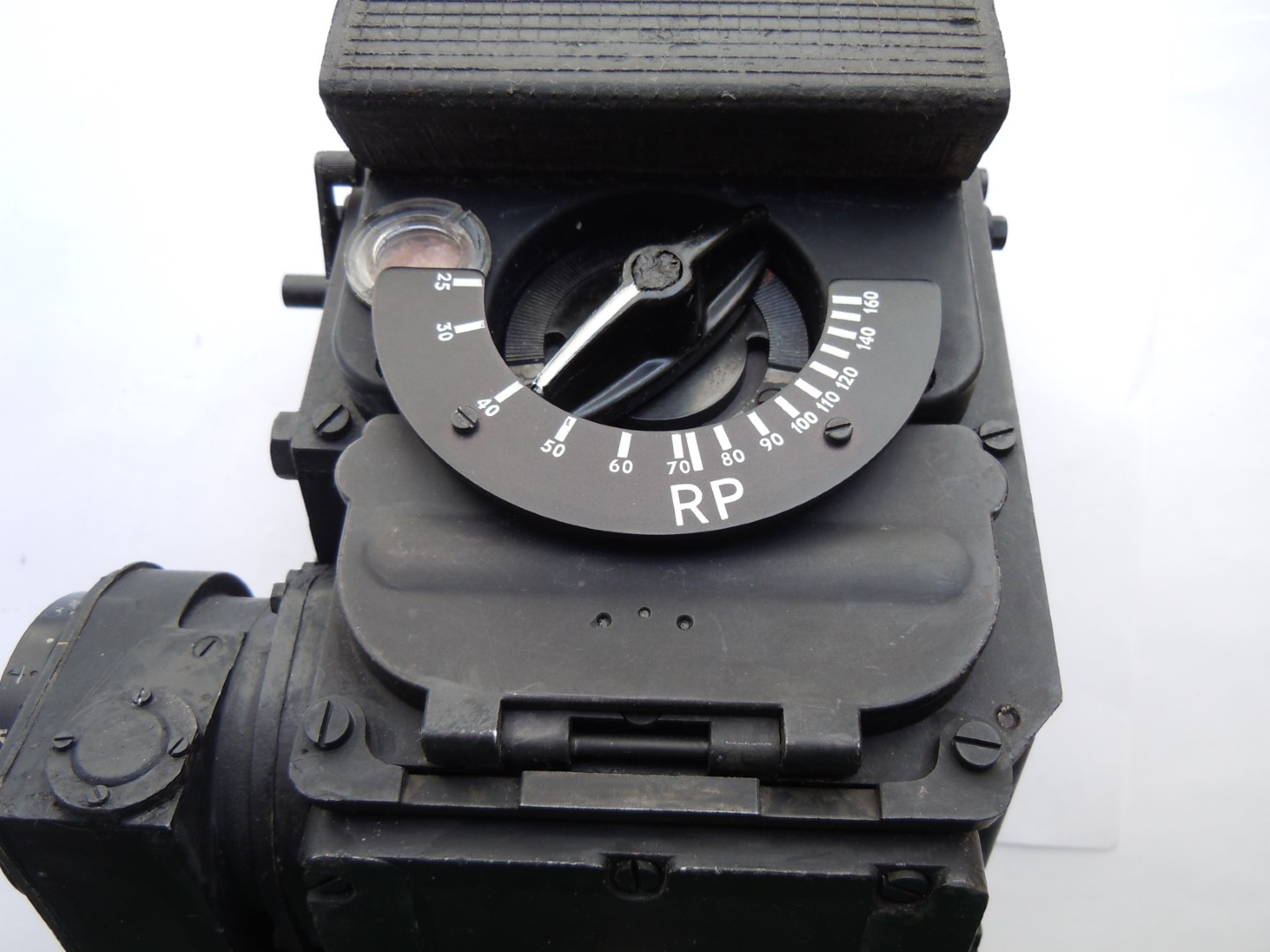
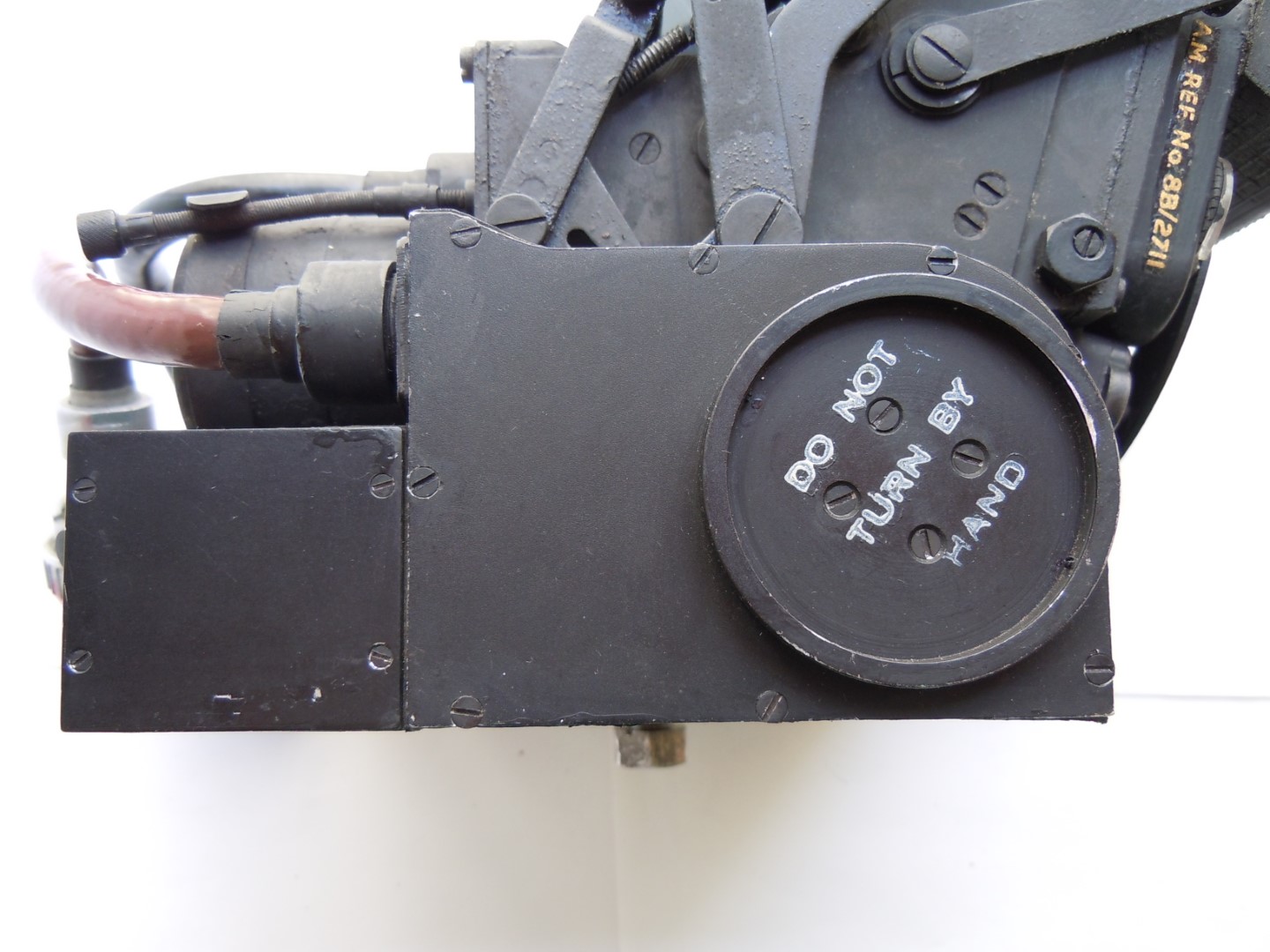
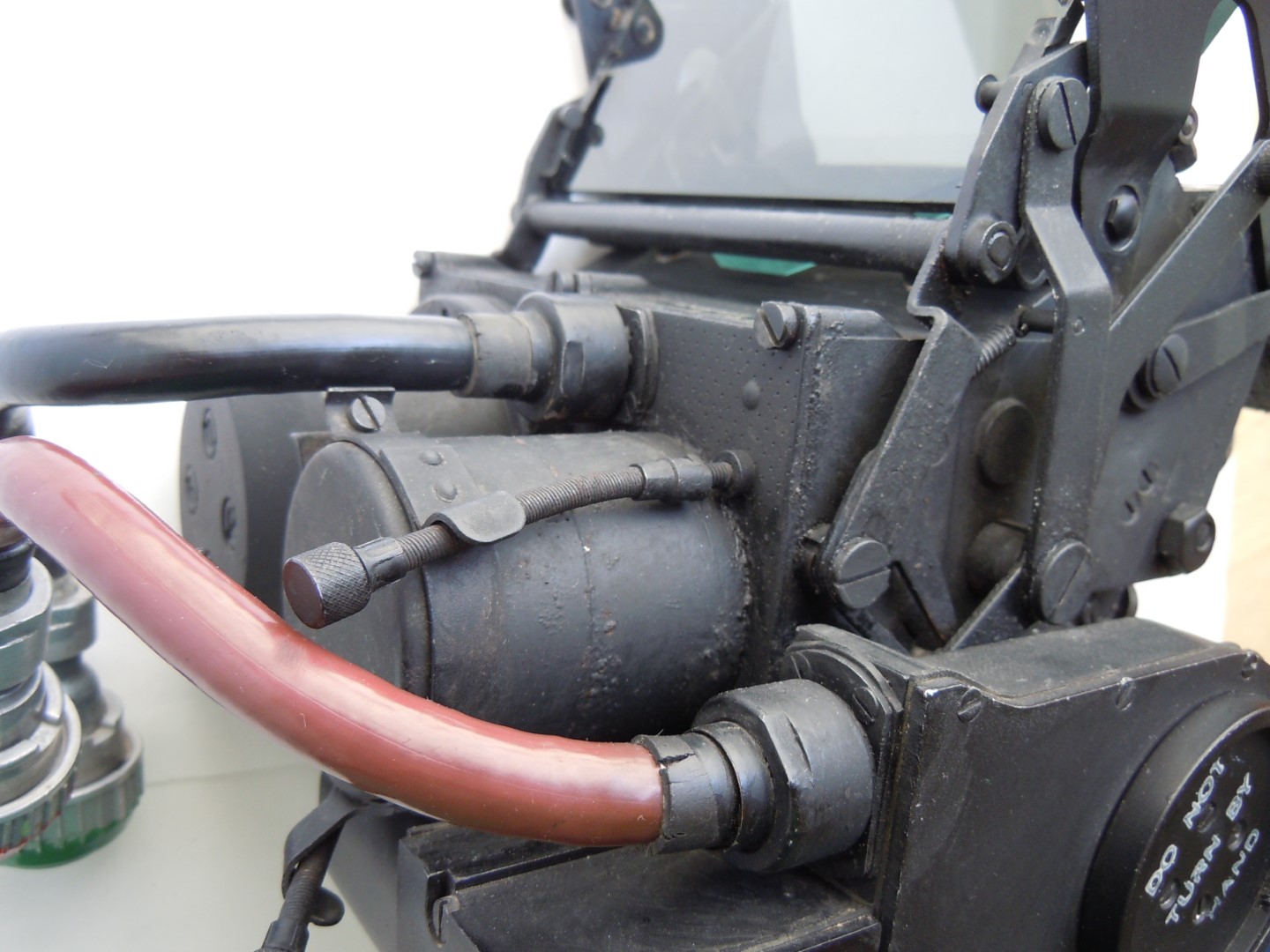
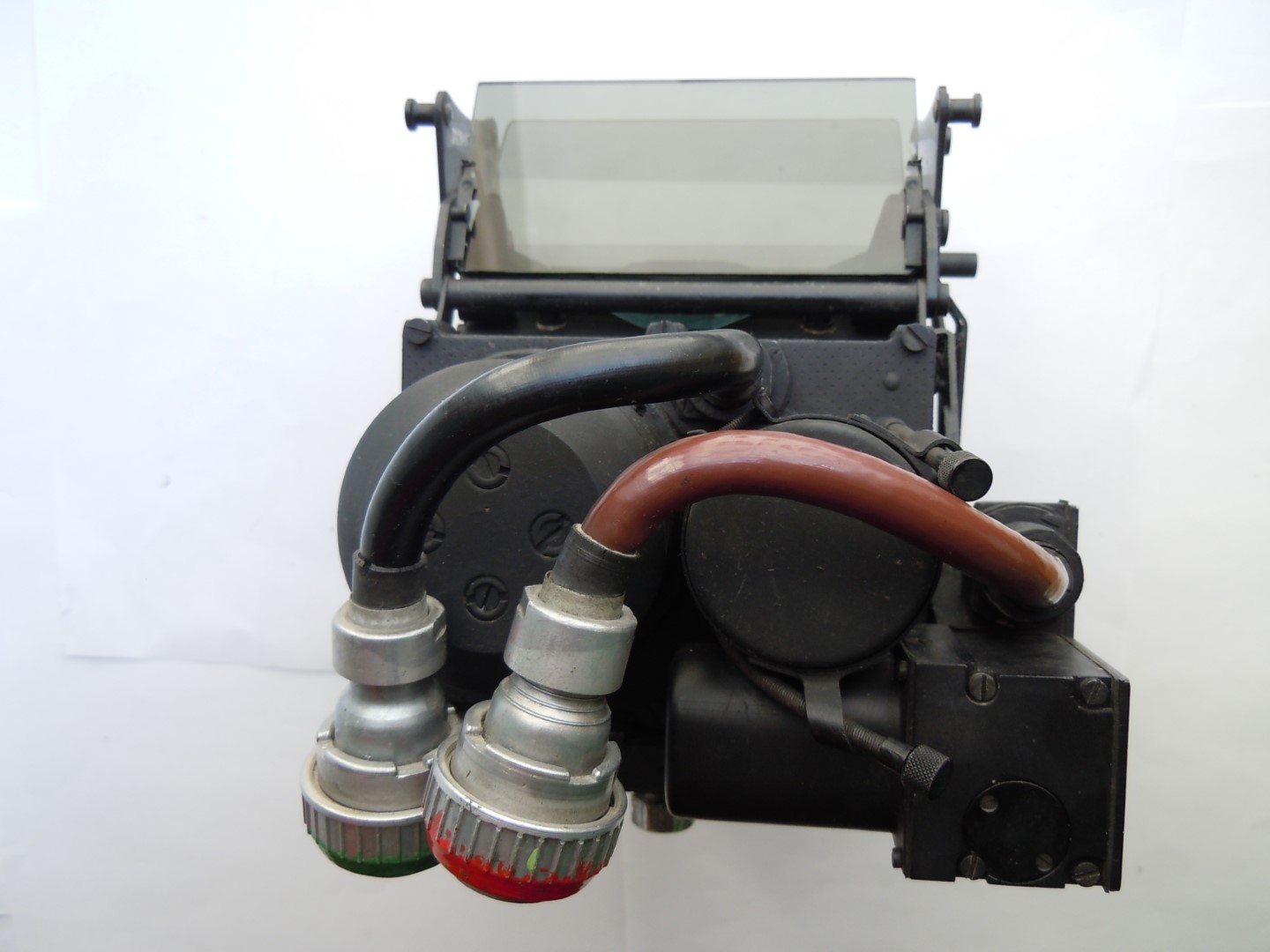
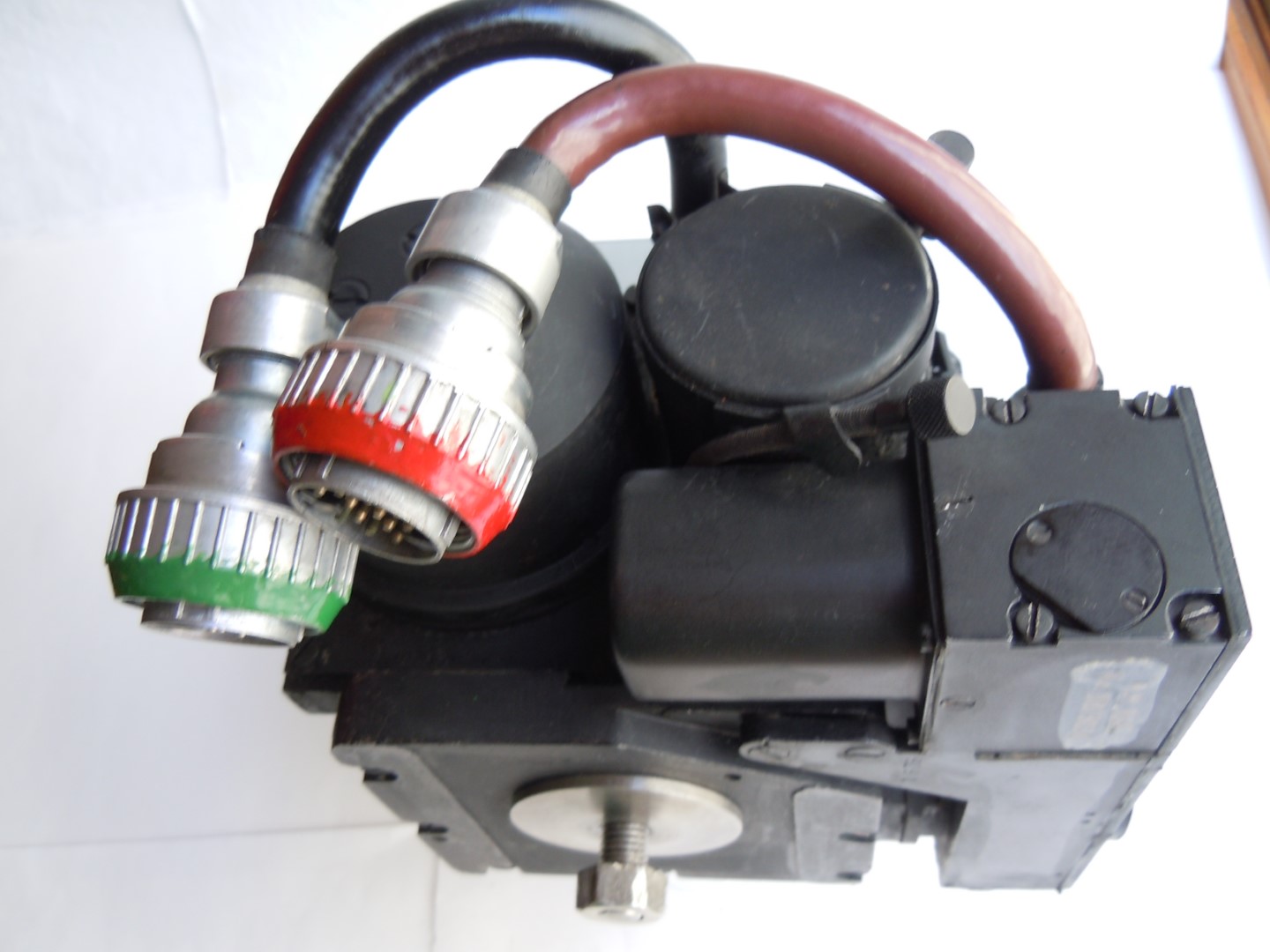
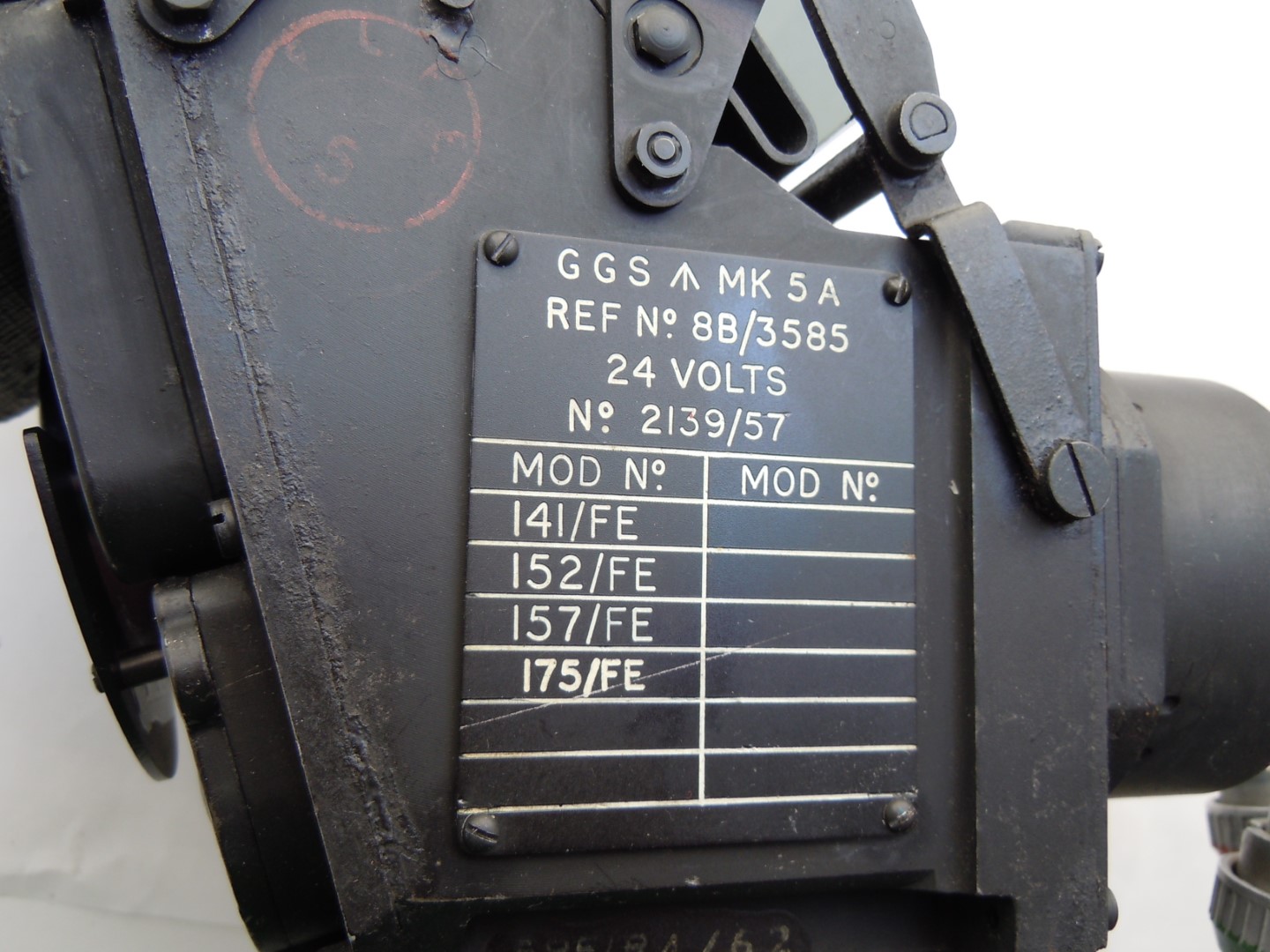
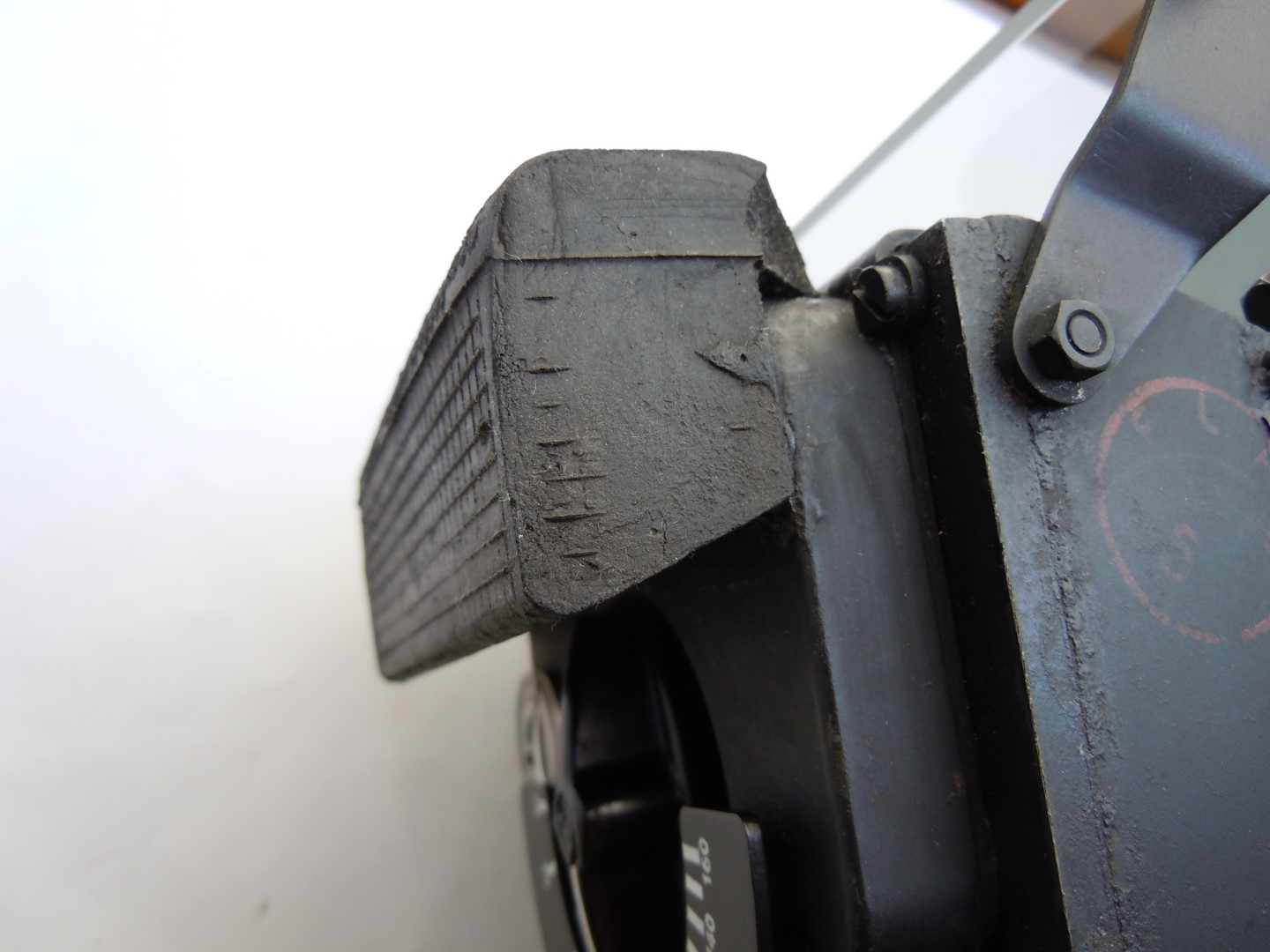
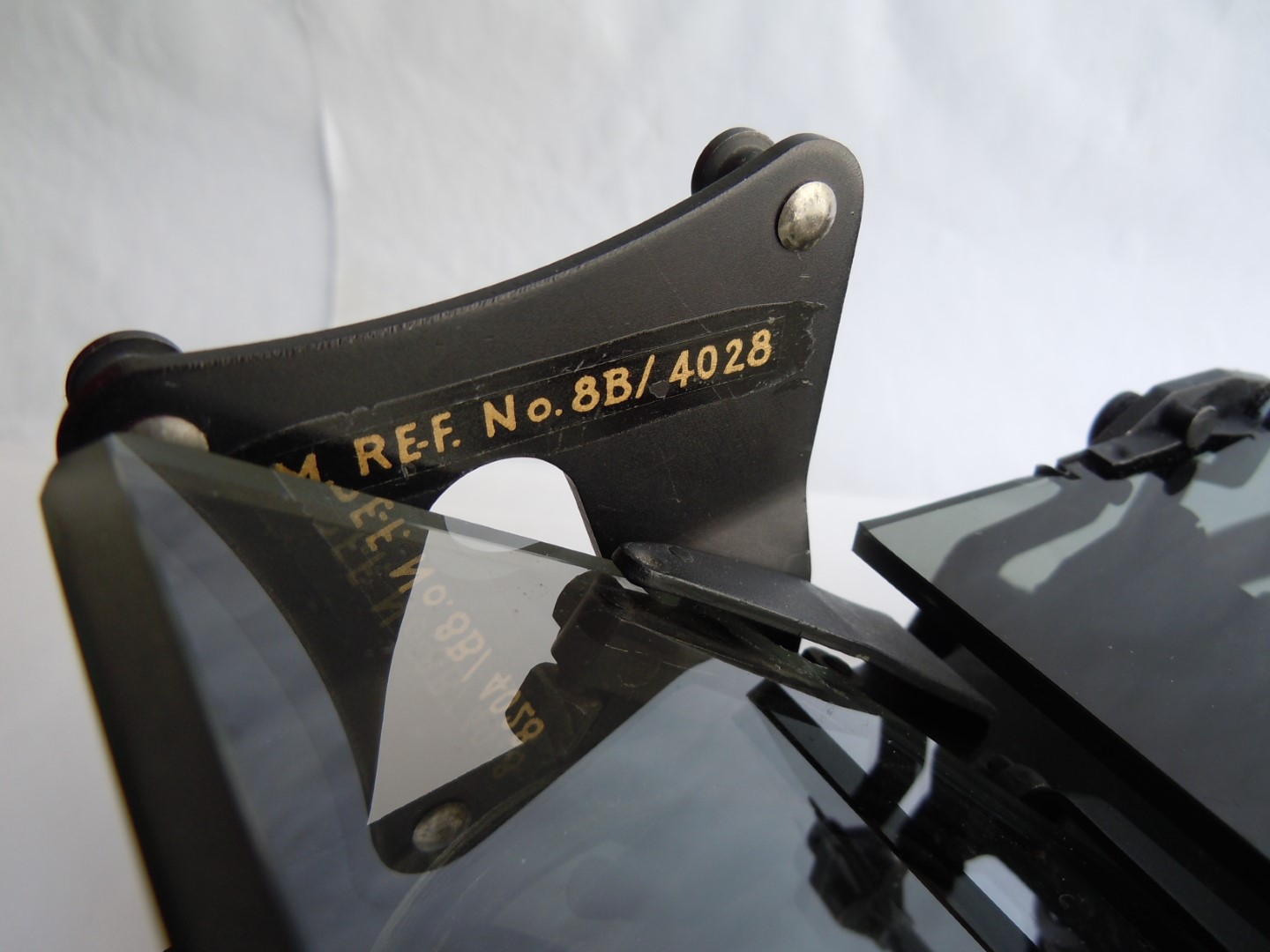
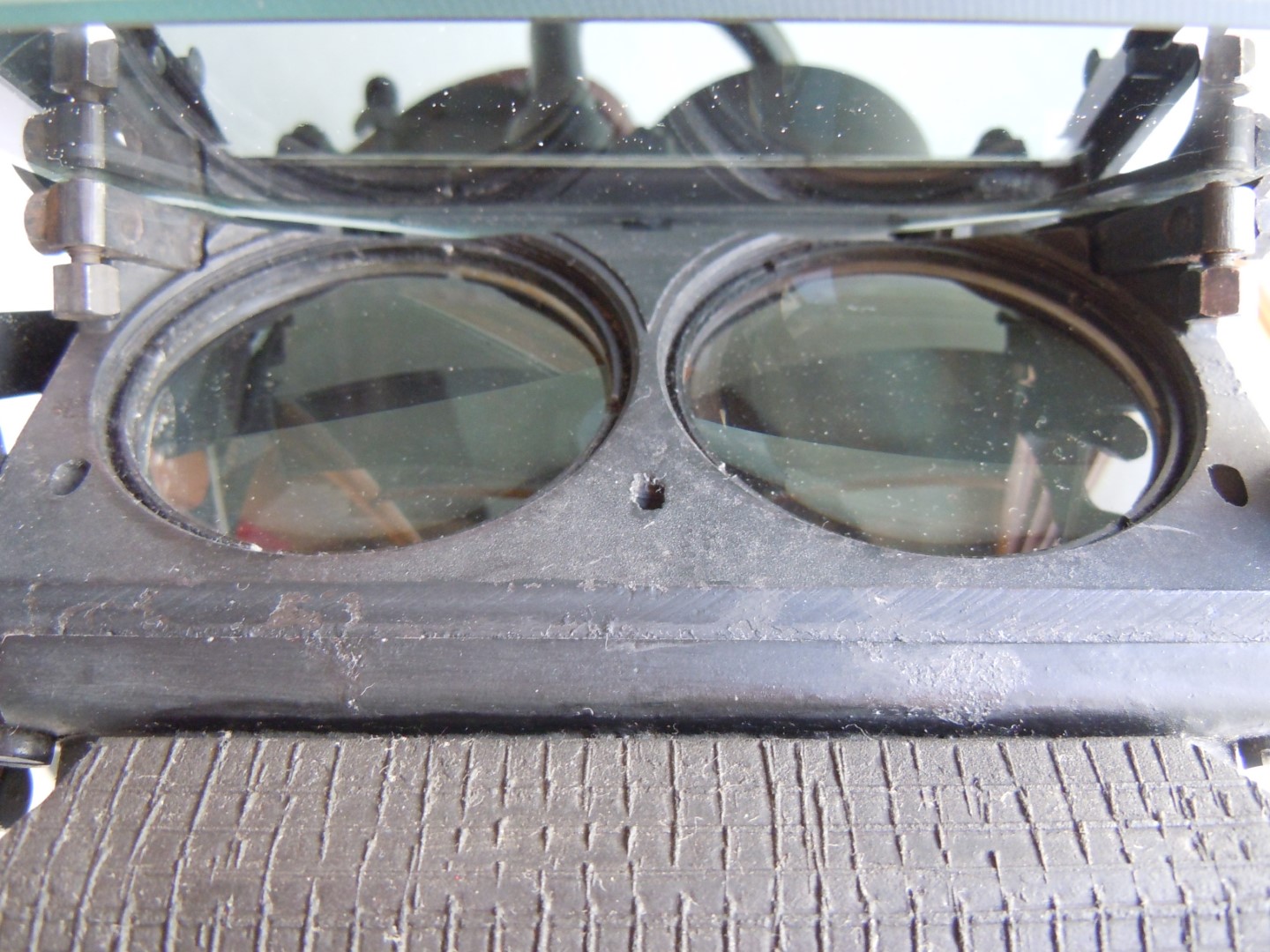
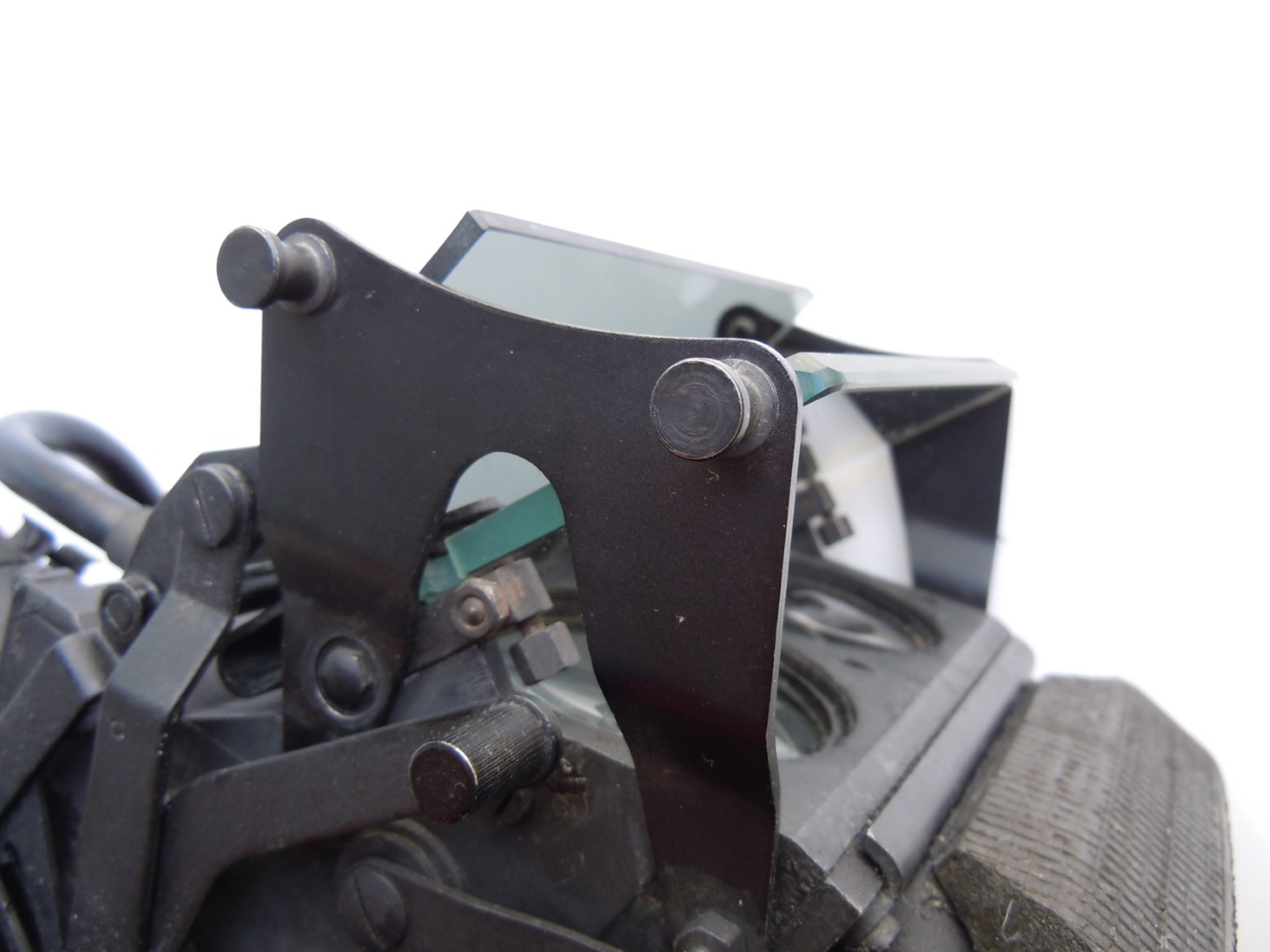
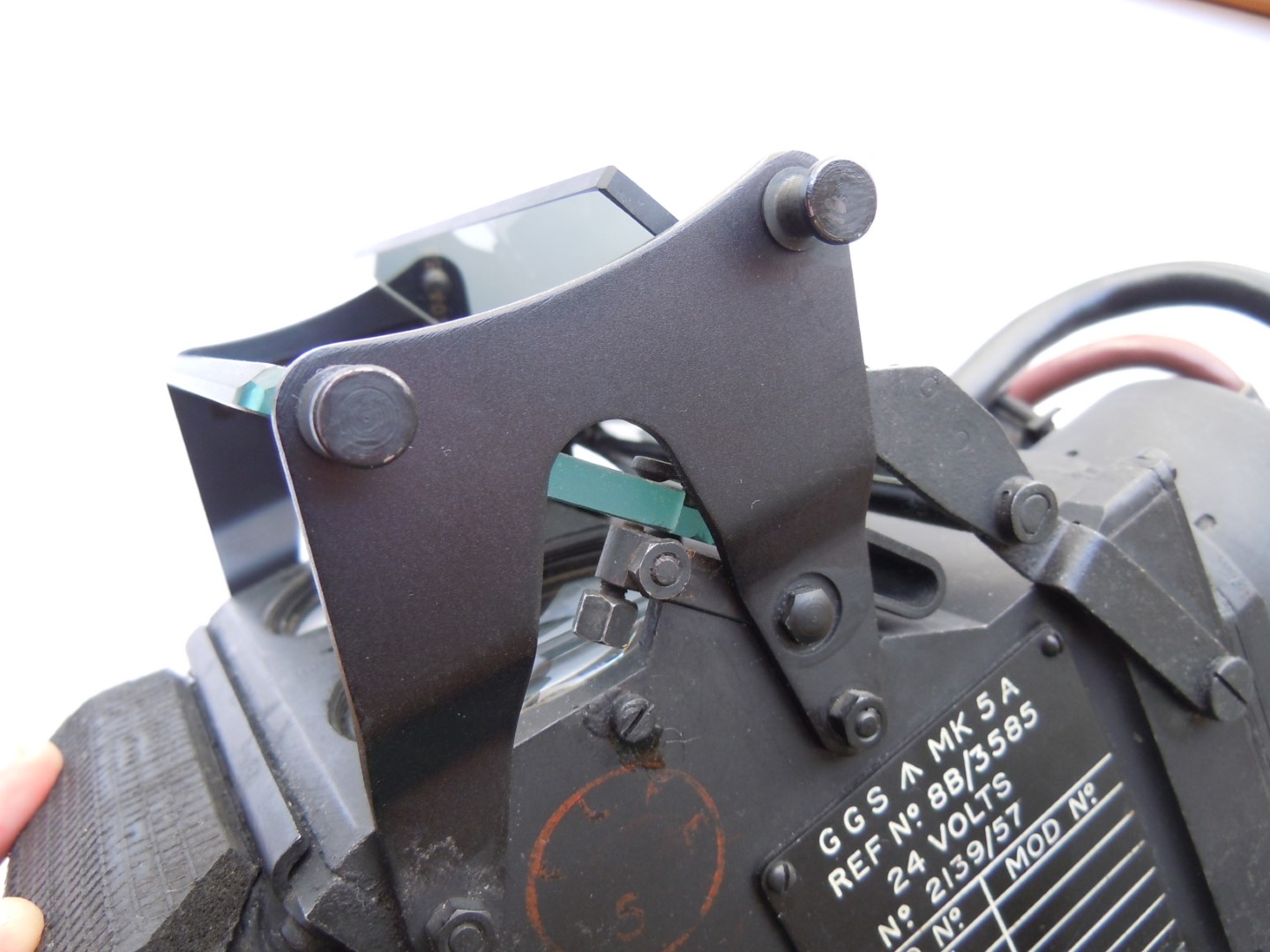
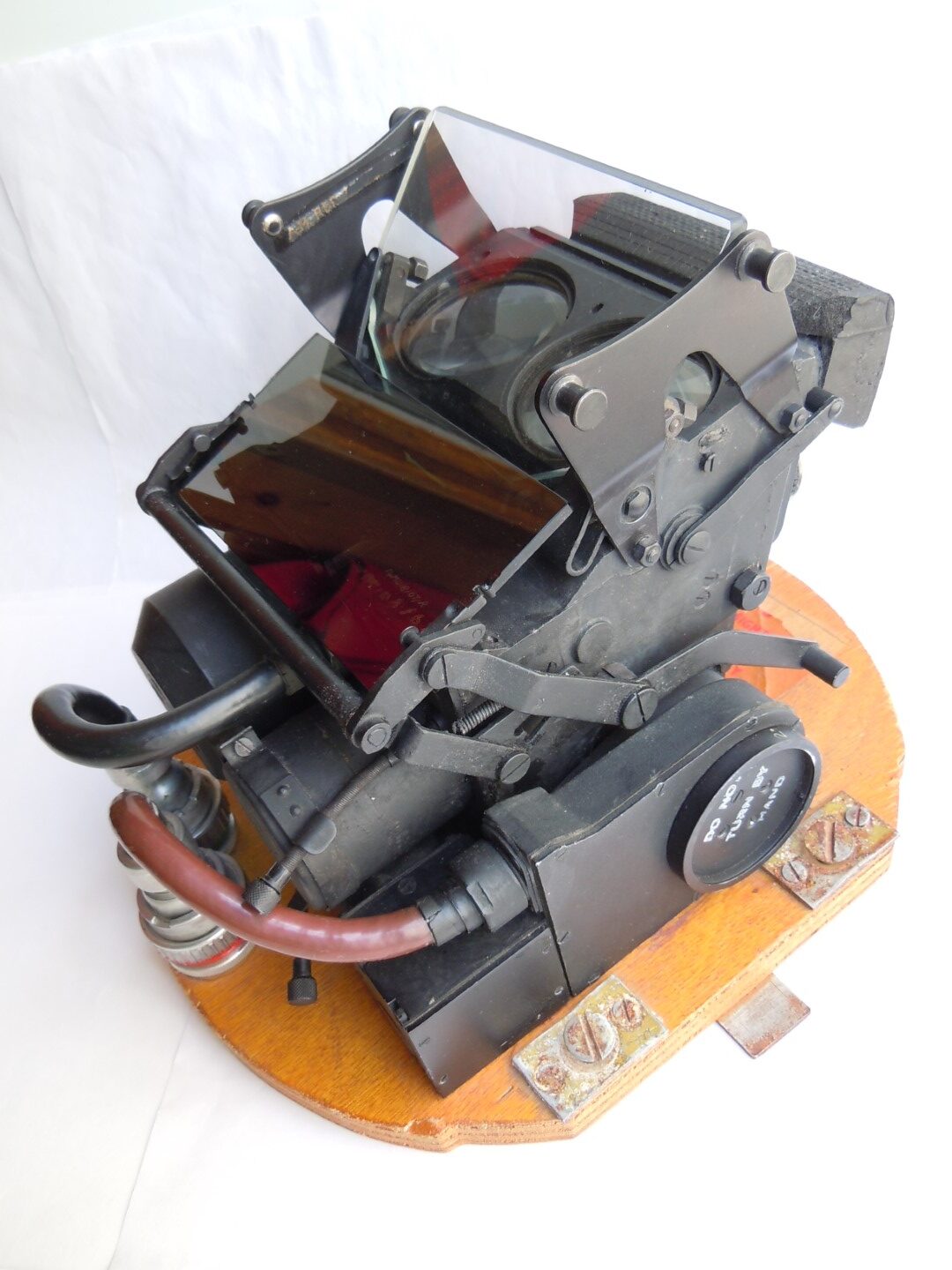
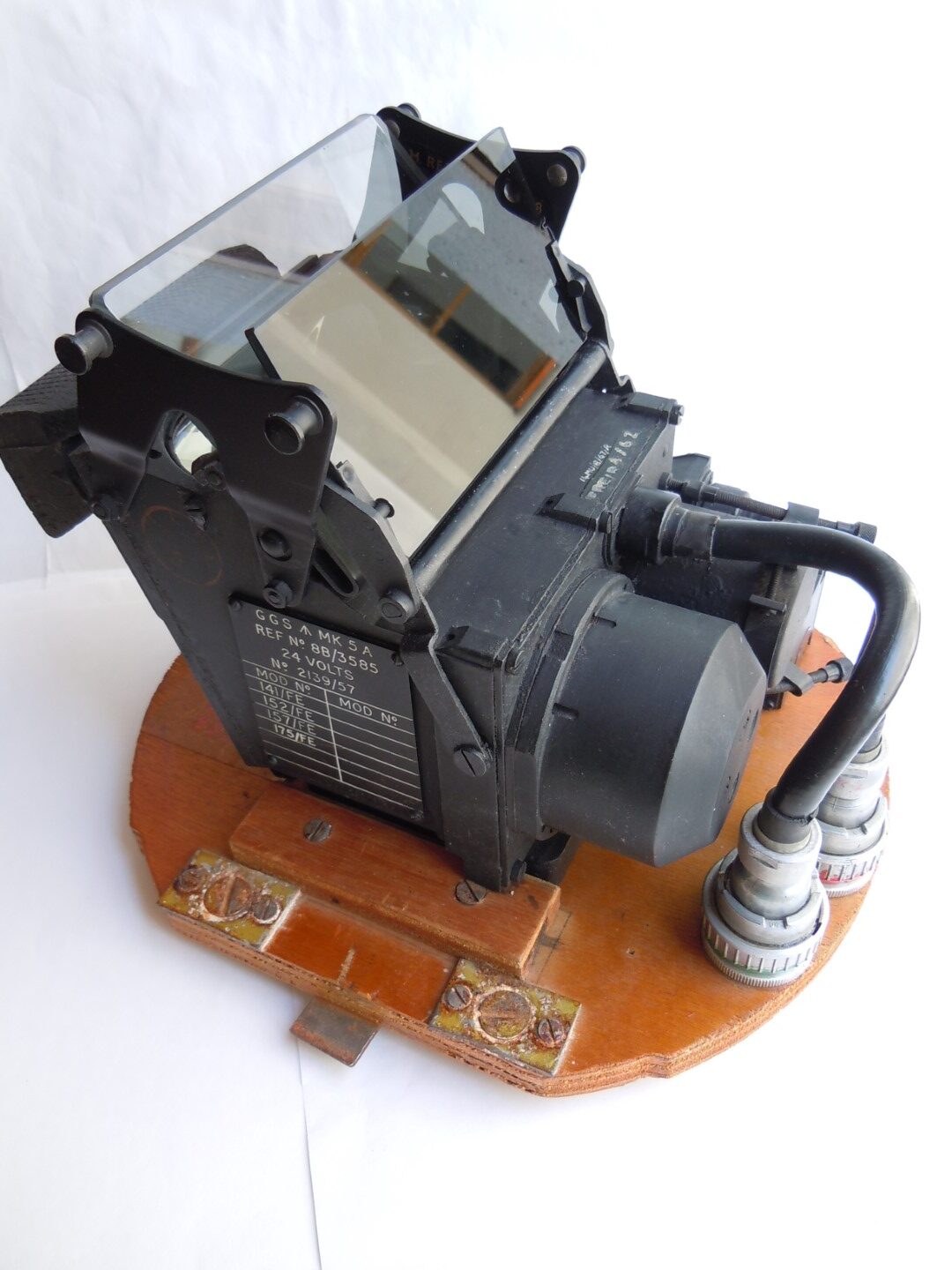
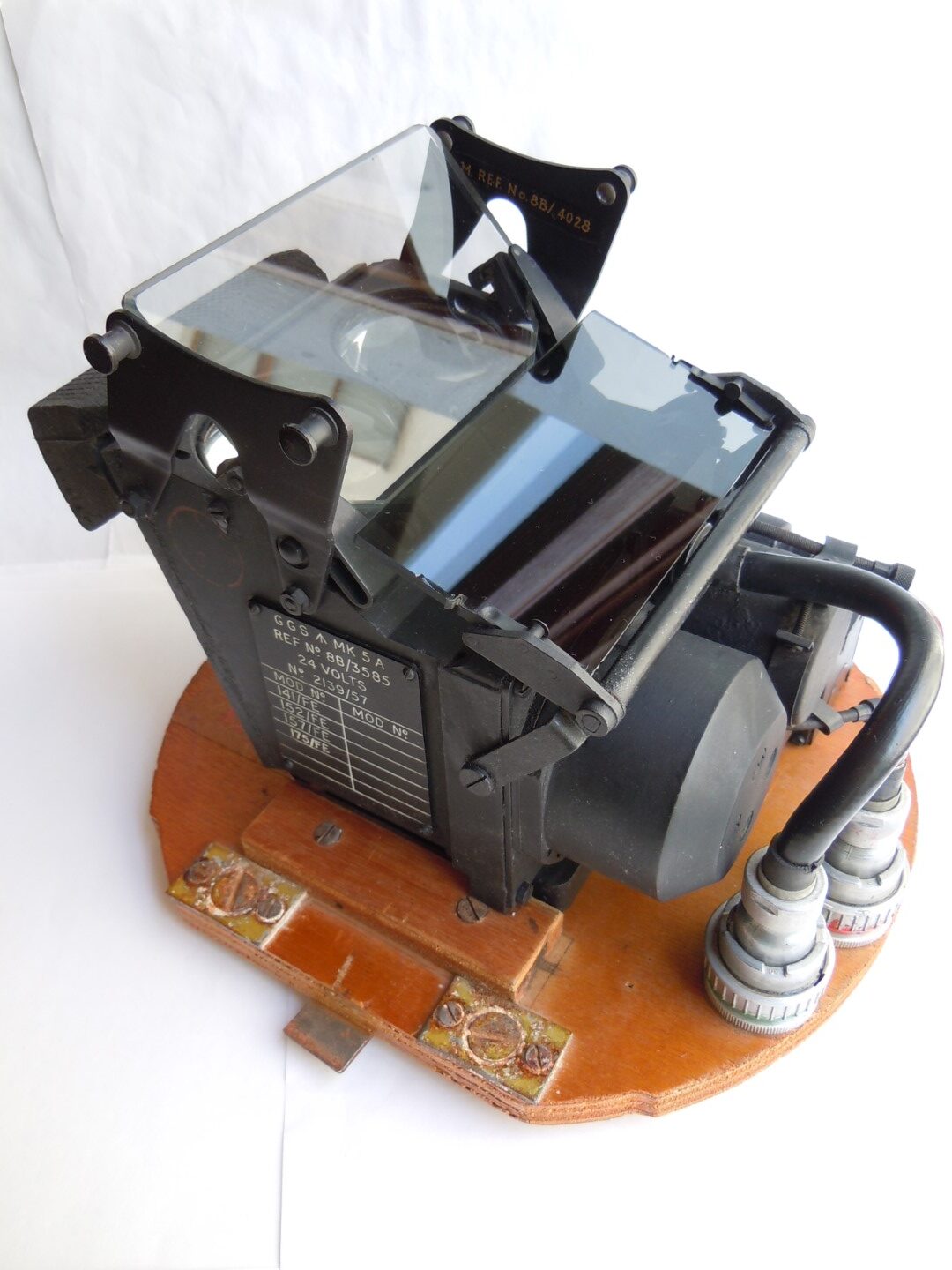
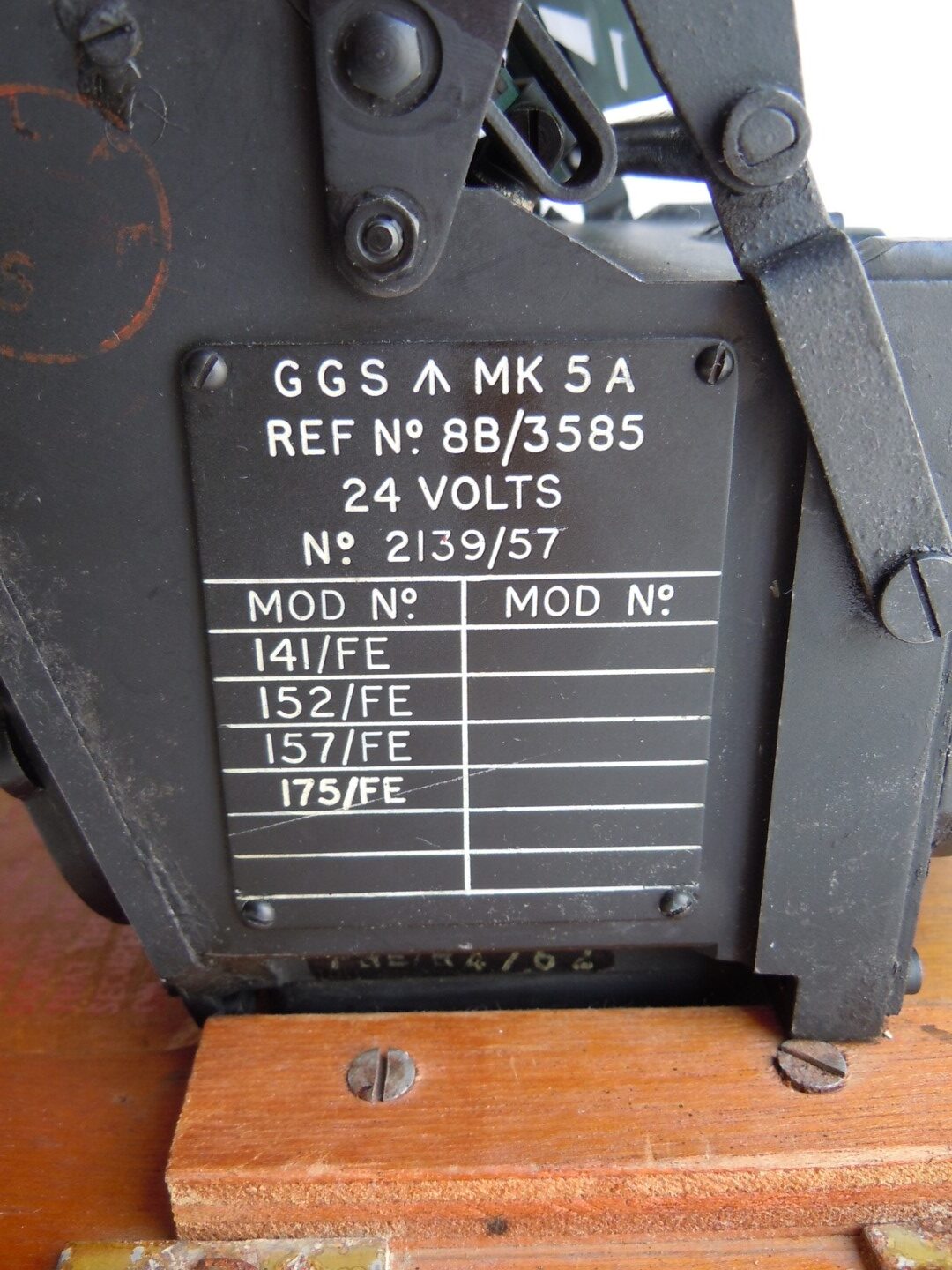
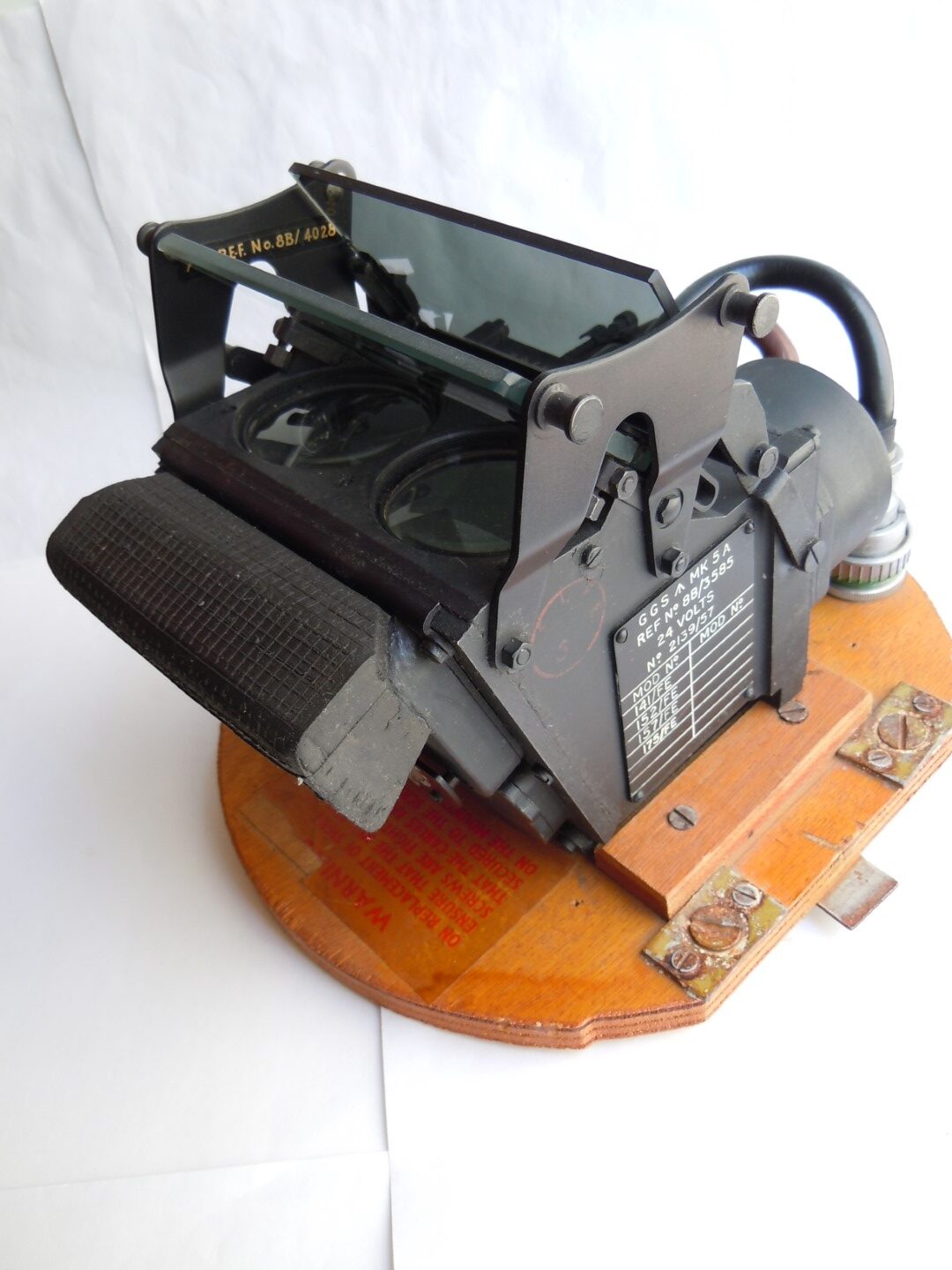
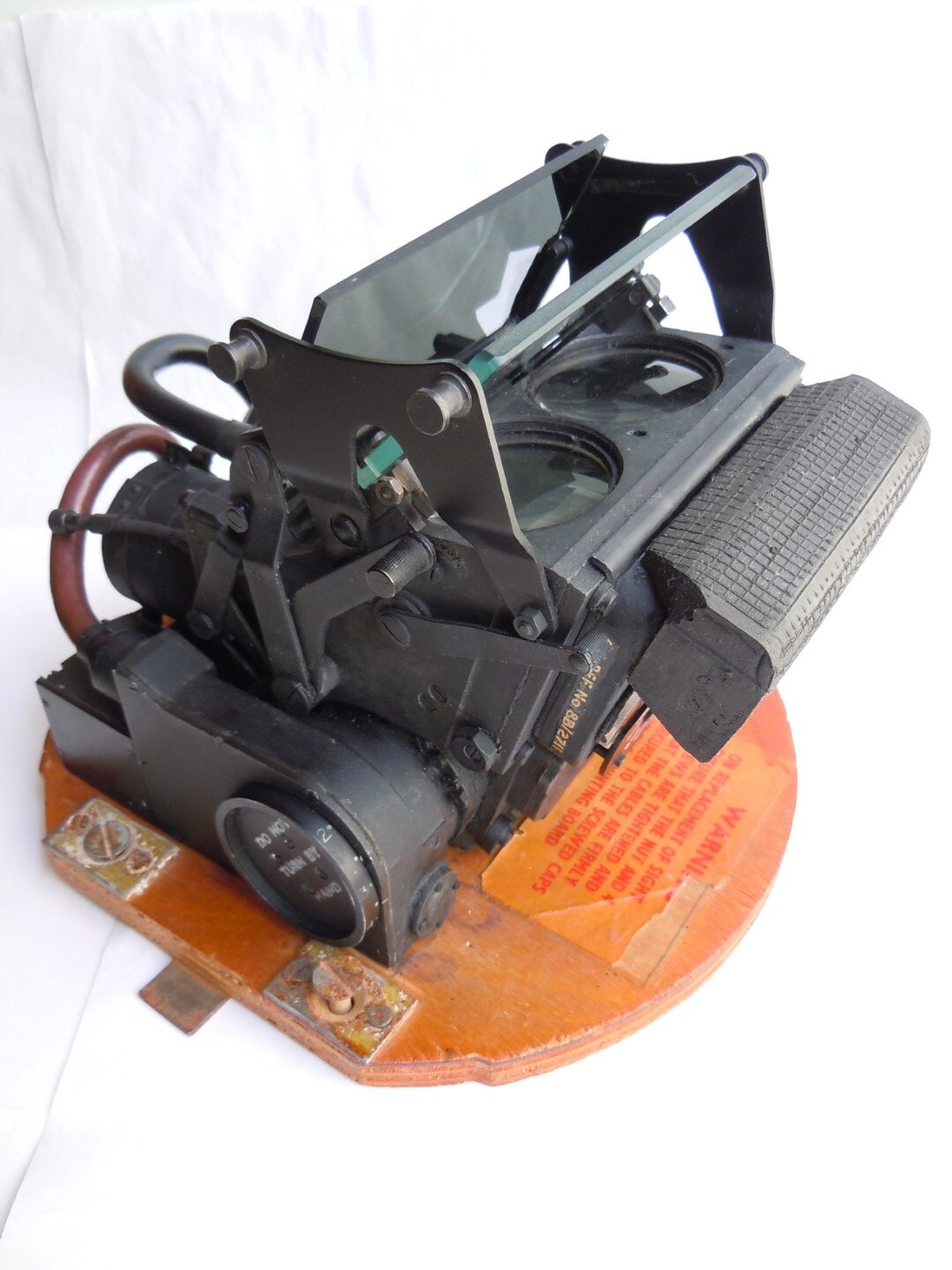
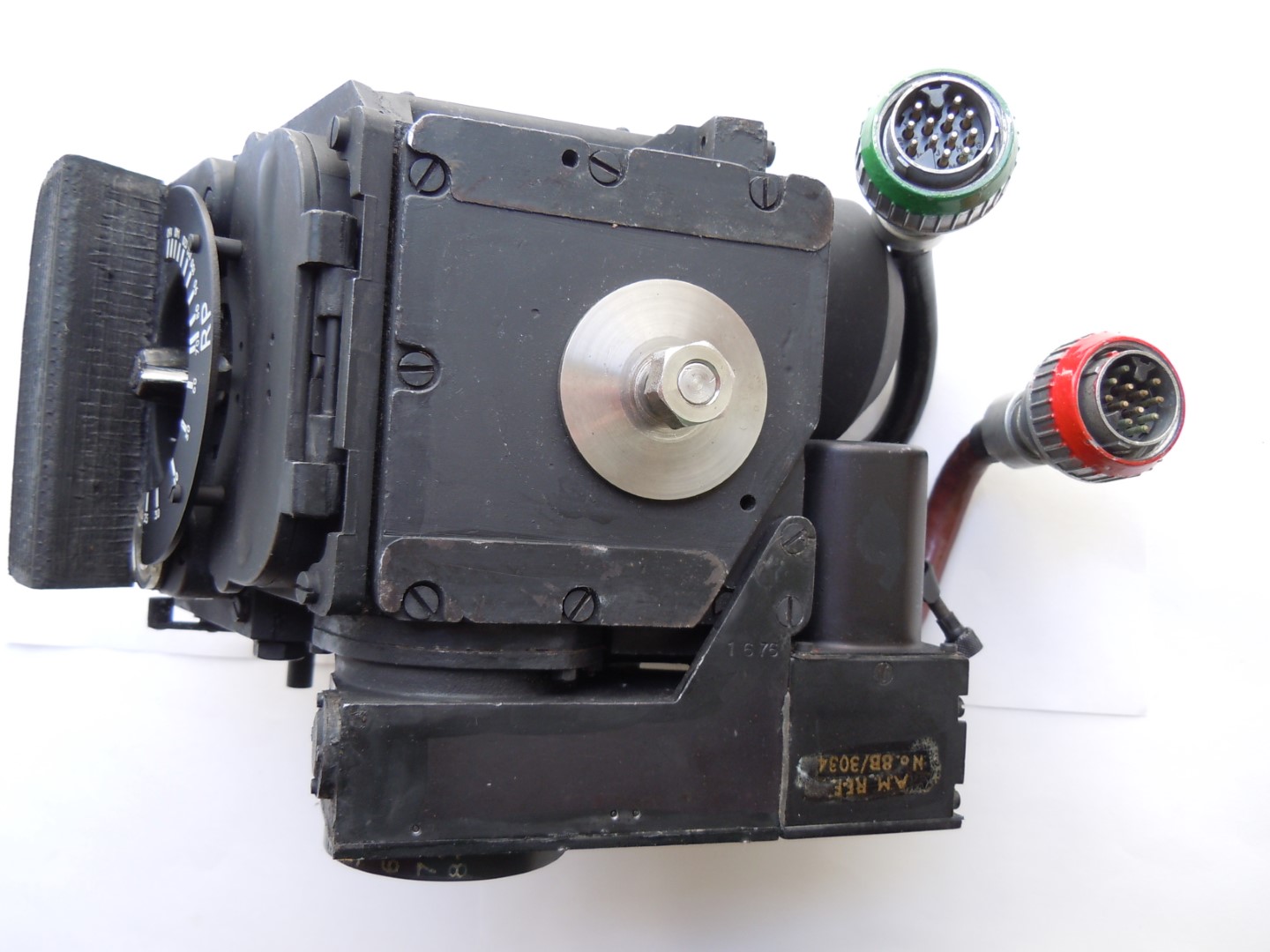
Das Kreiselvisier befindet sich in sehr gutem, vermutlich voll funktionstüchtigem Zustand, ohne sichtbare Fehlteile oder Beschädigungen. Das Gerät hat eine sehr gut erhaltene Originallackierung und sehr schönes Typenschild.
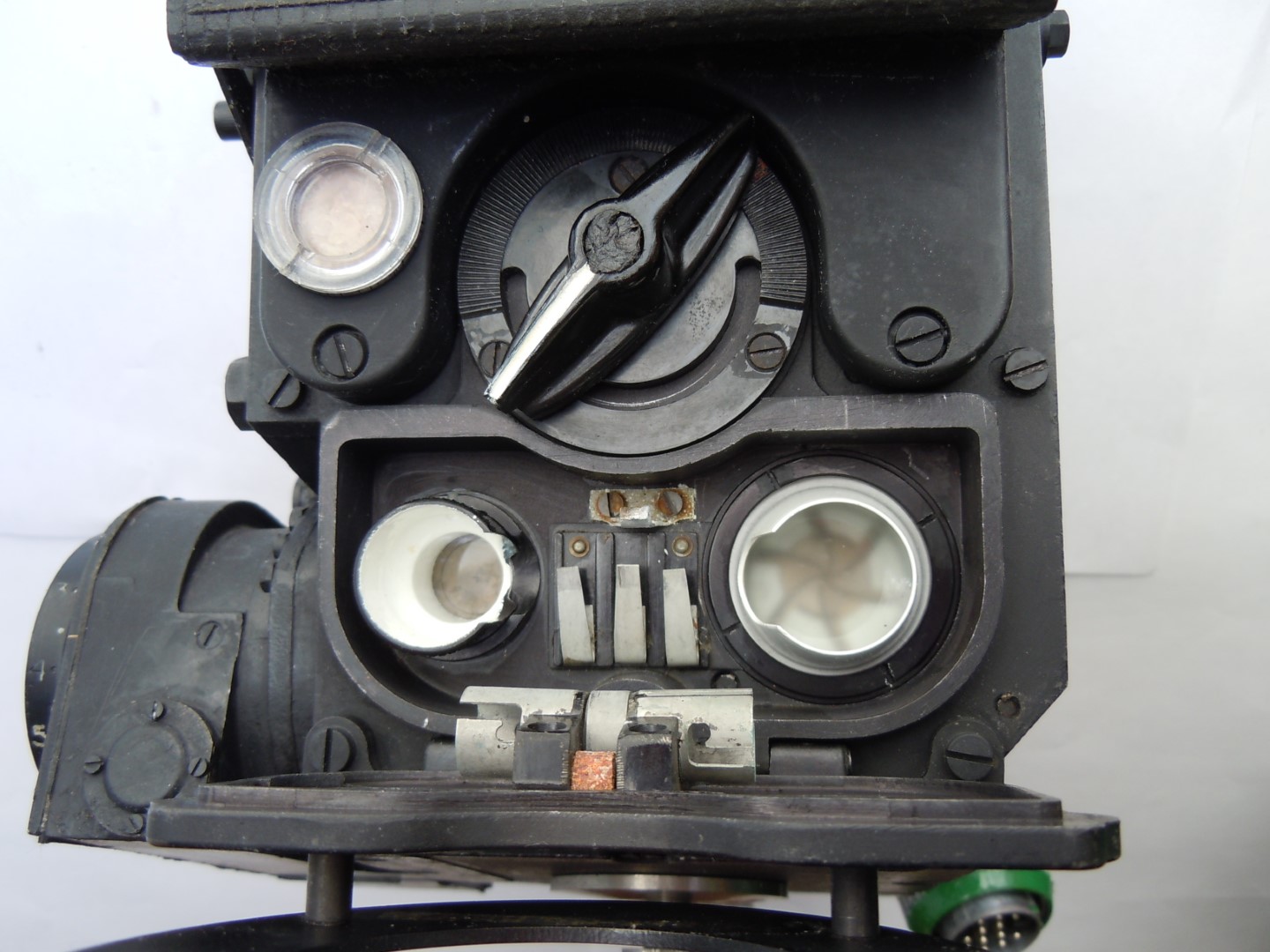
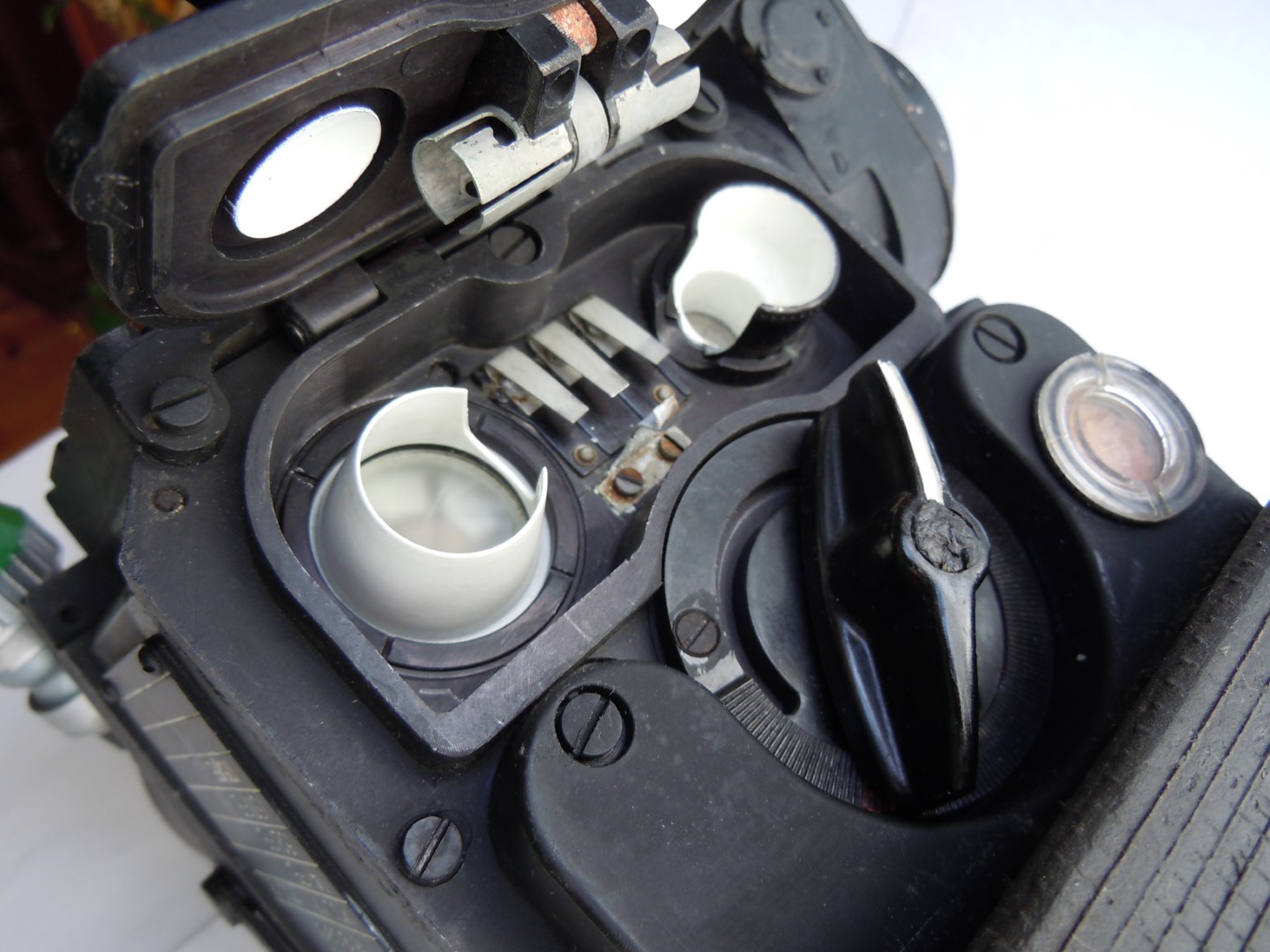
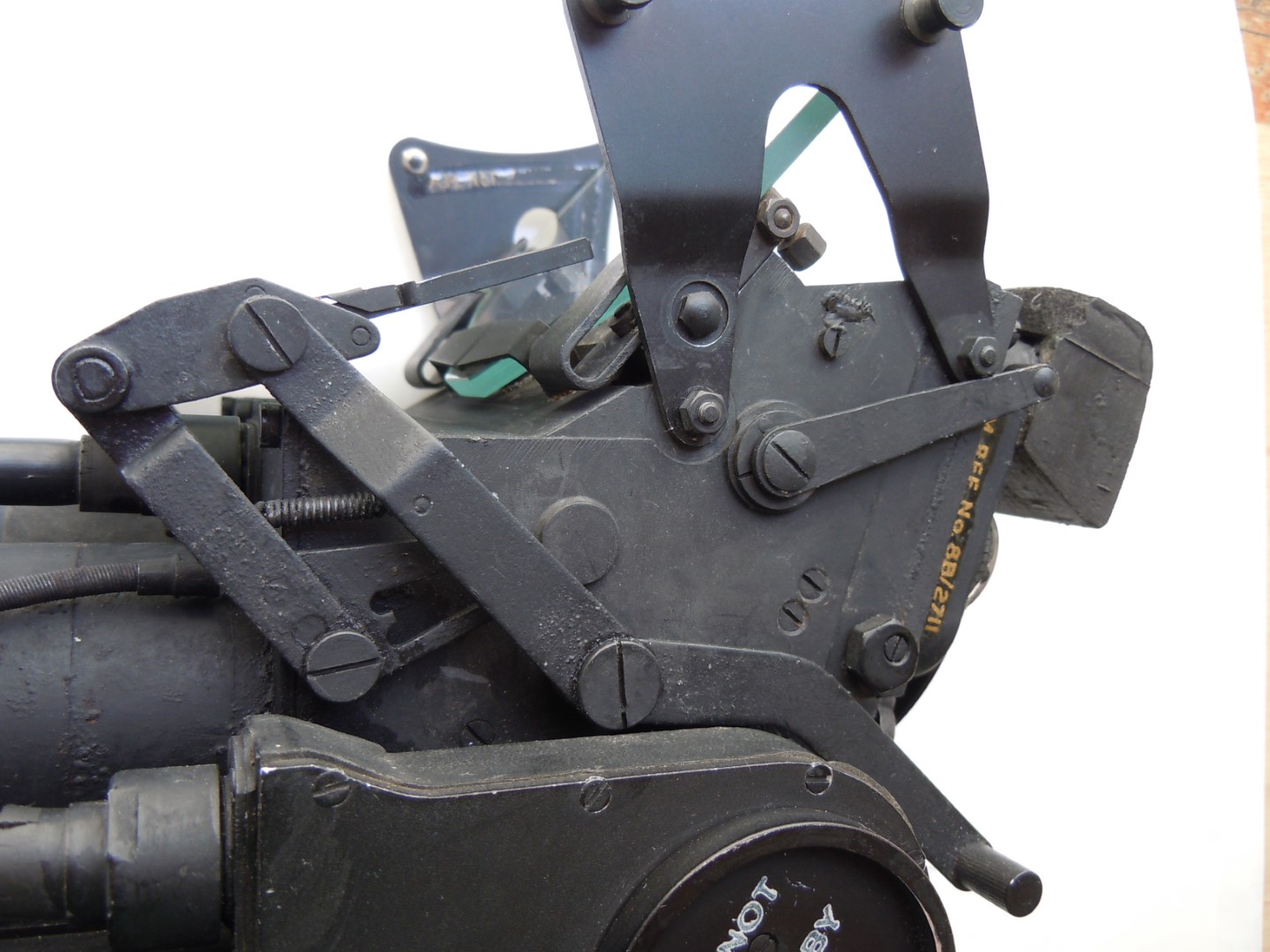
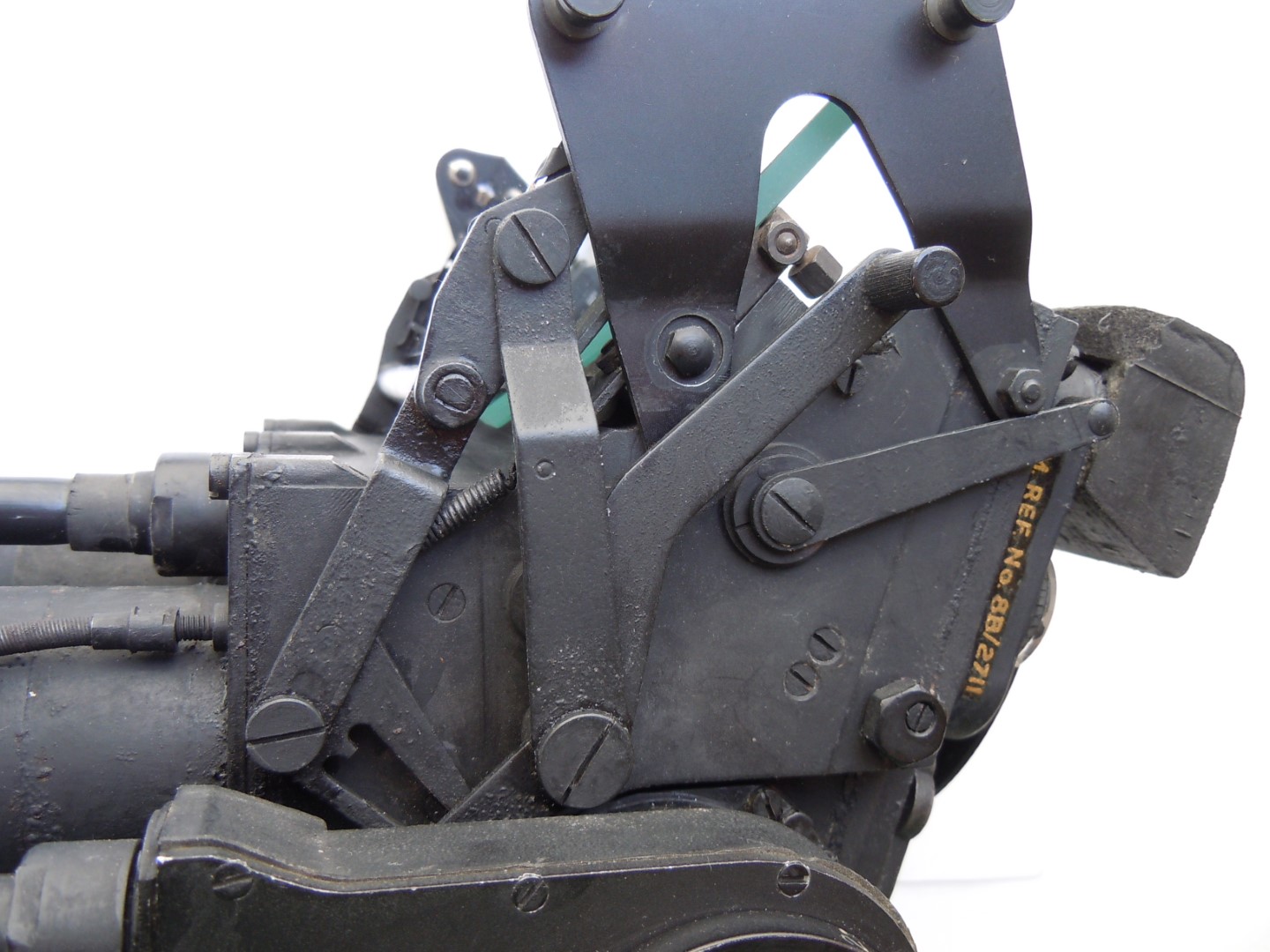
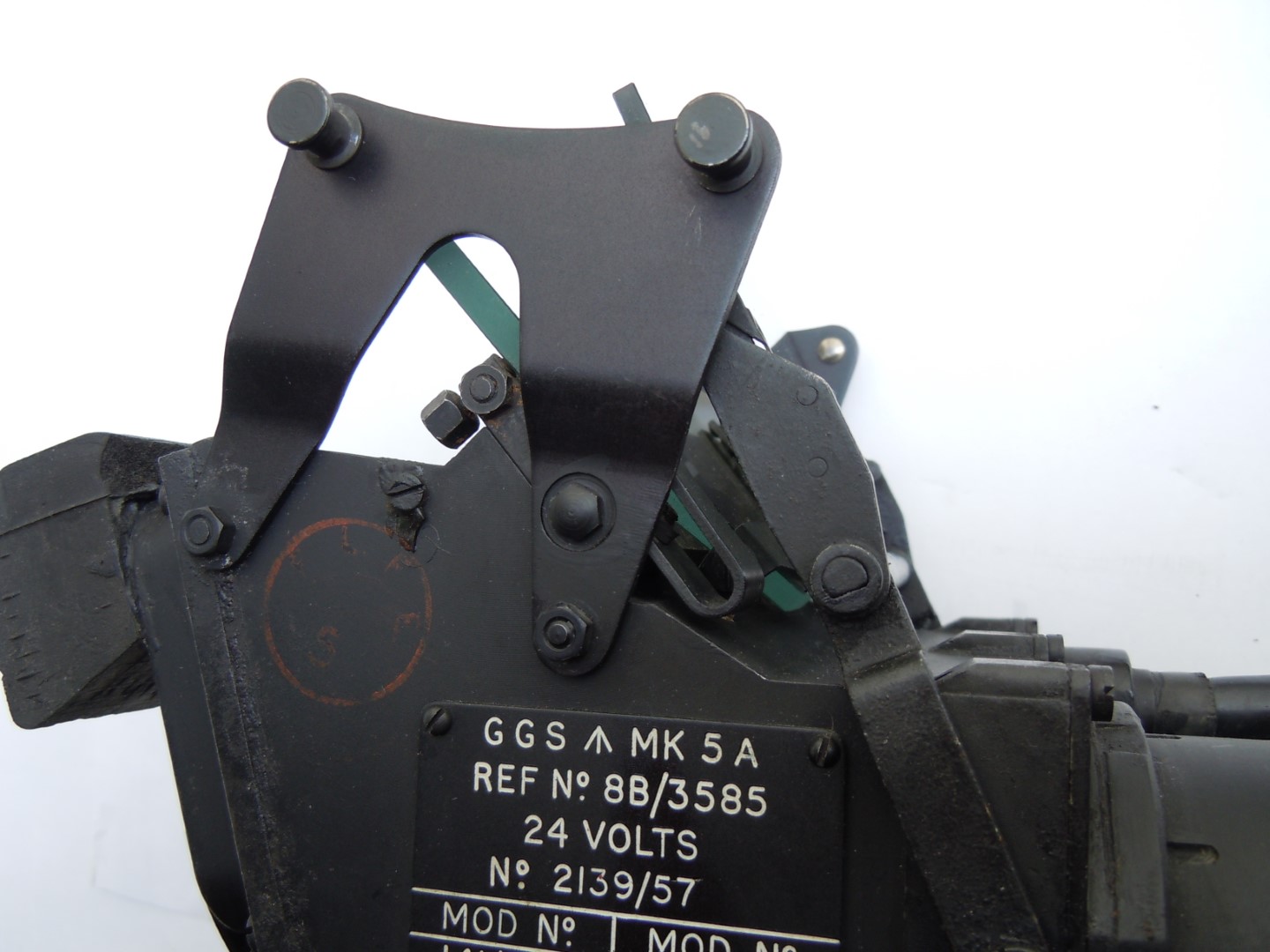
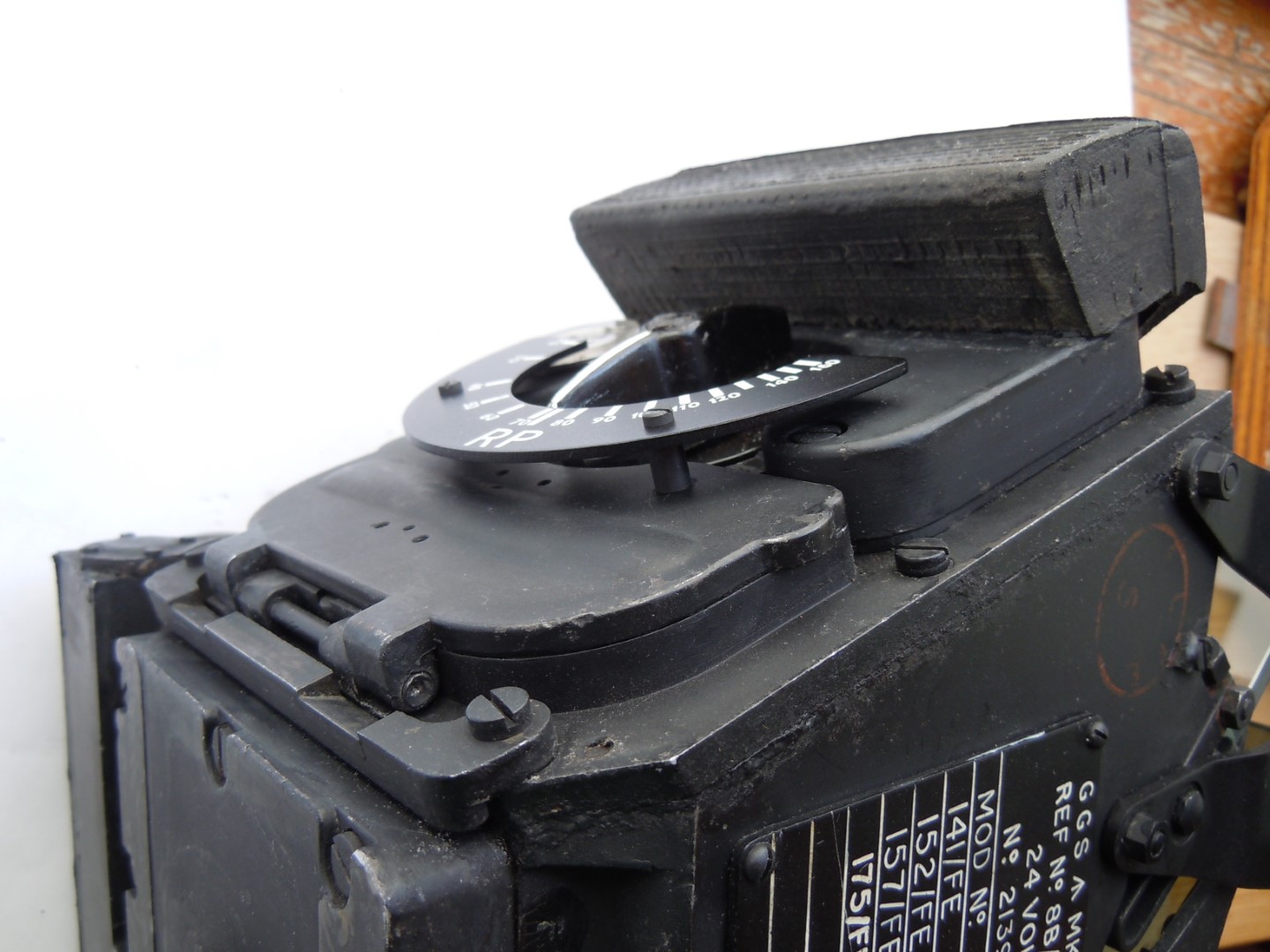
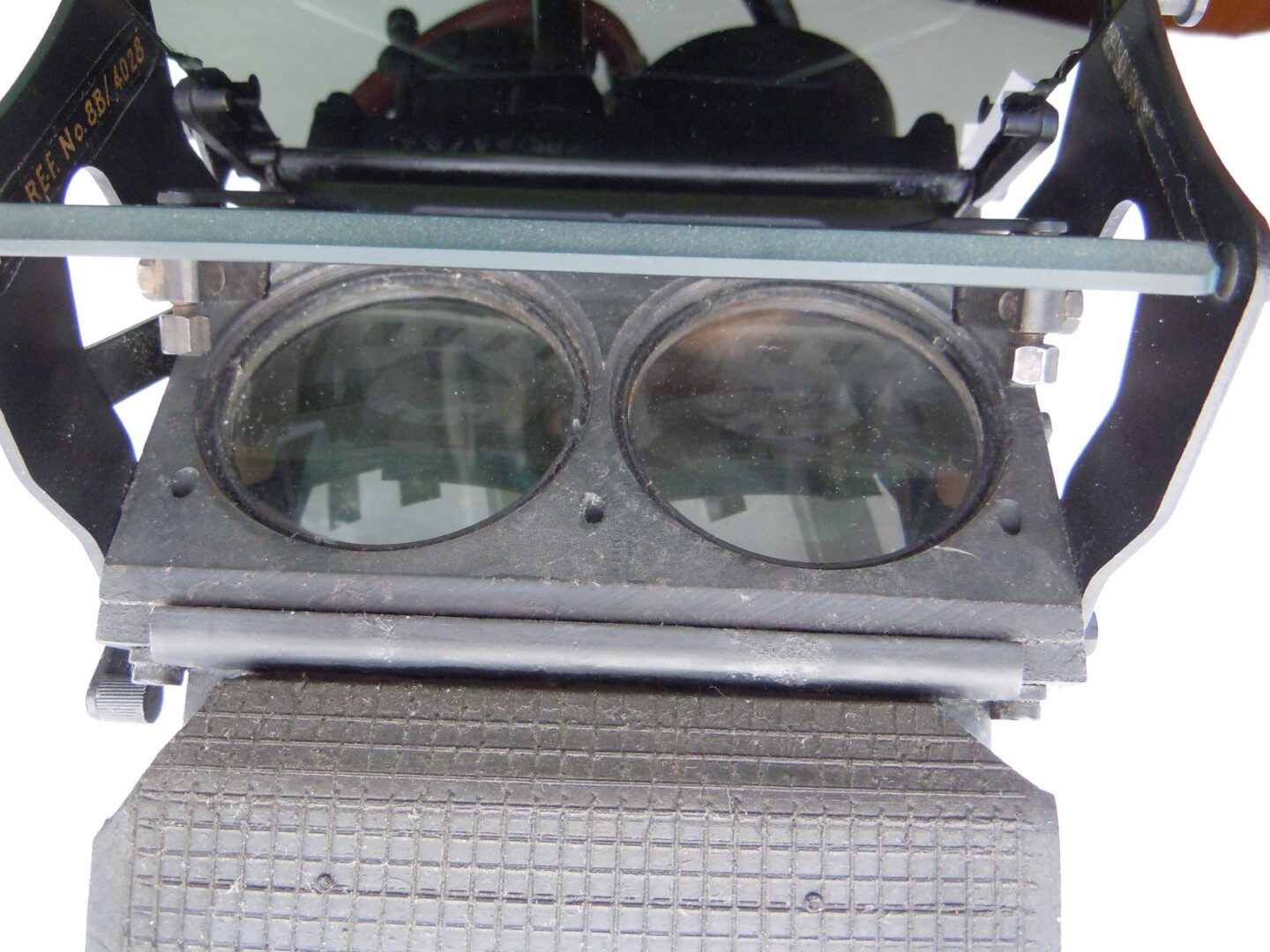
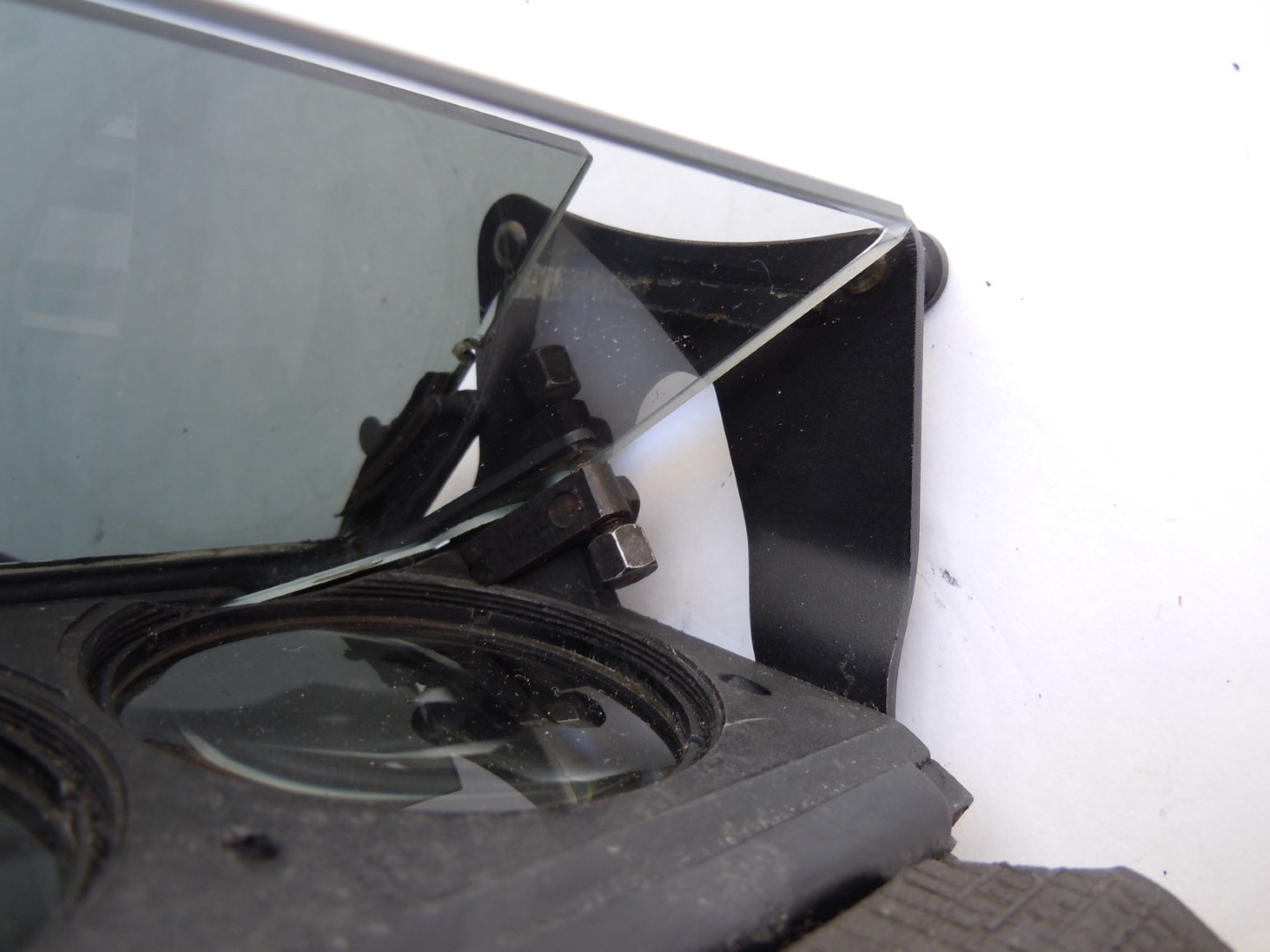
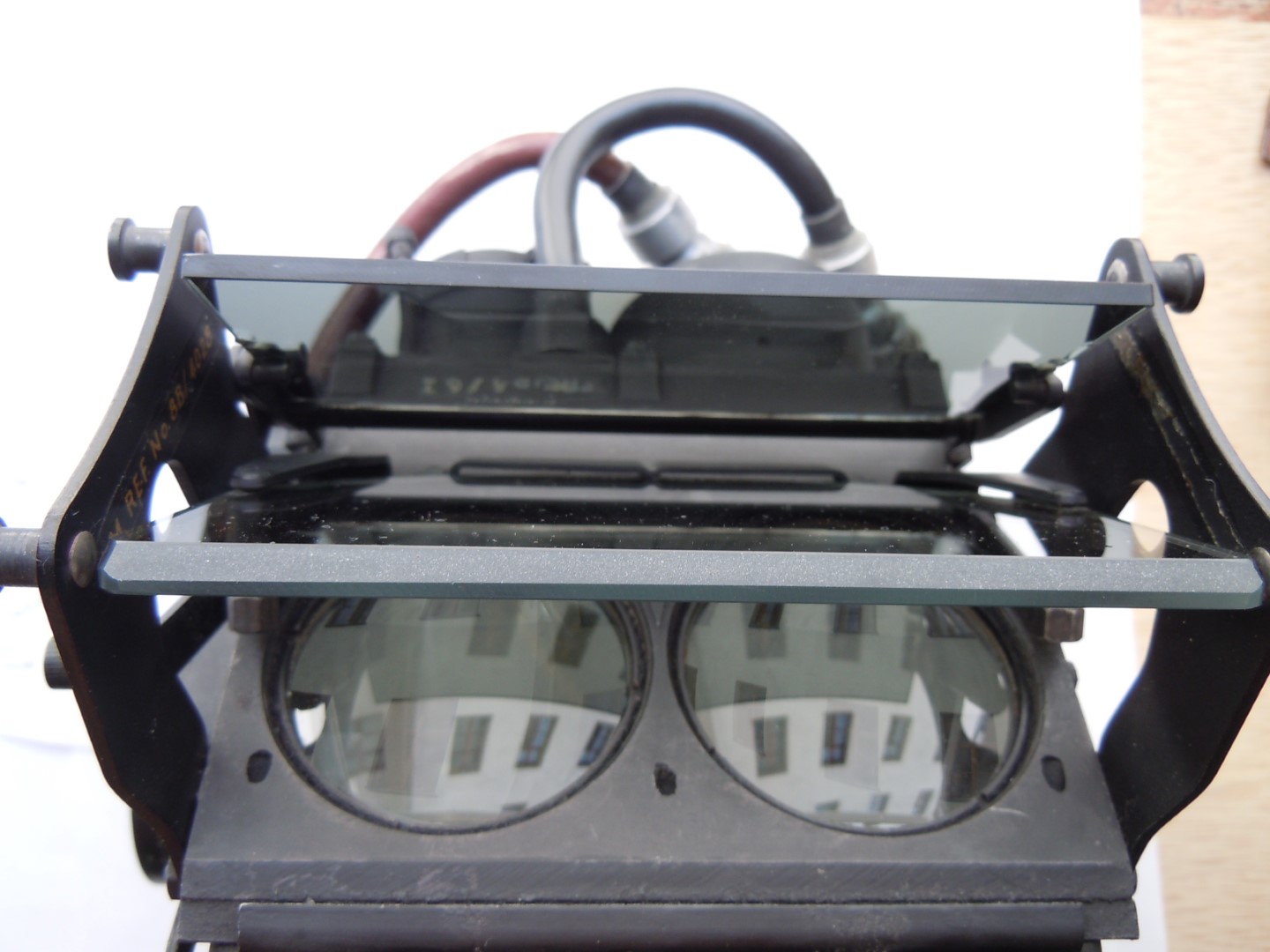
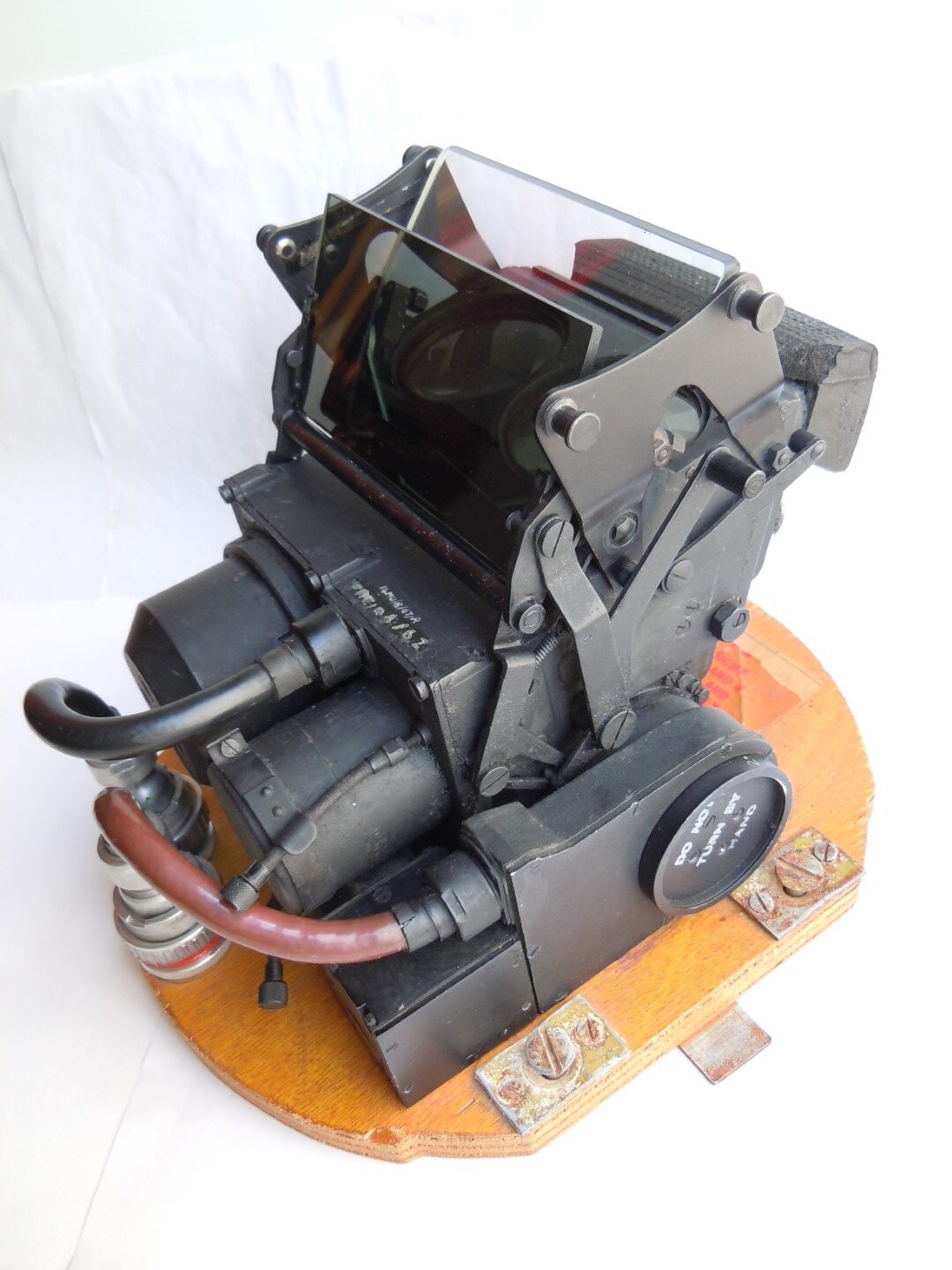
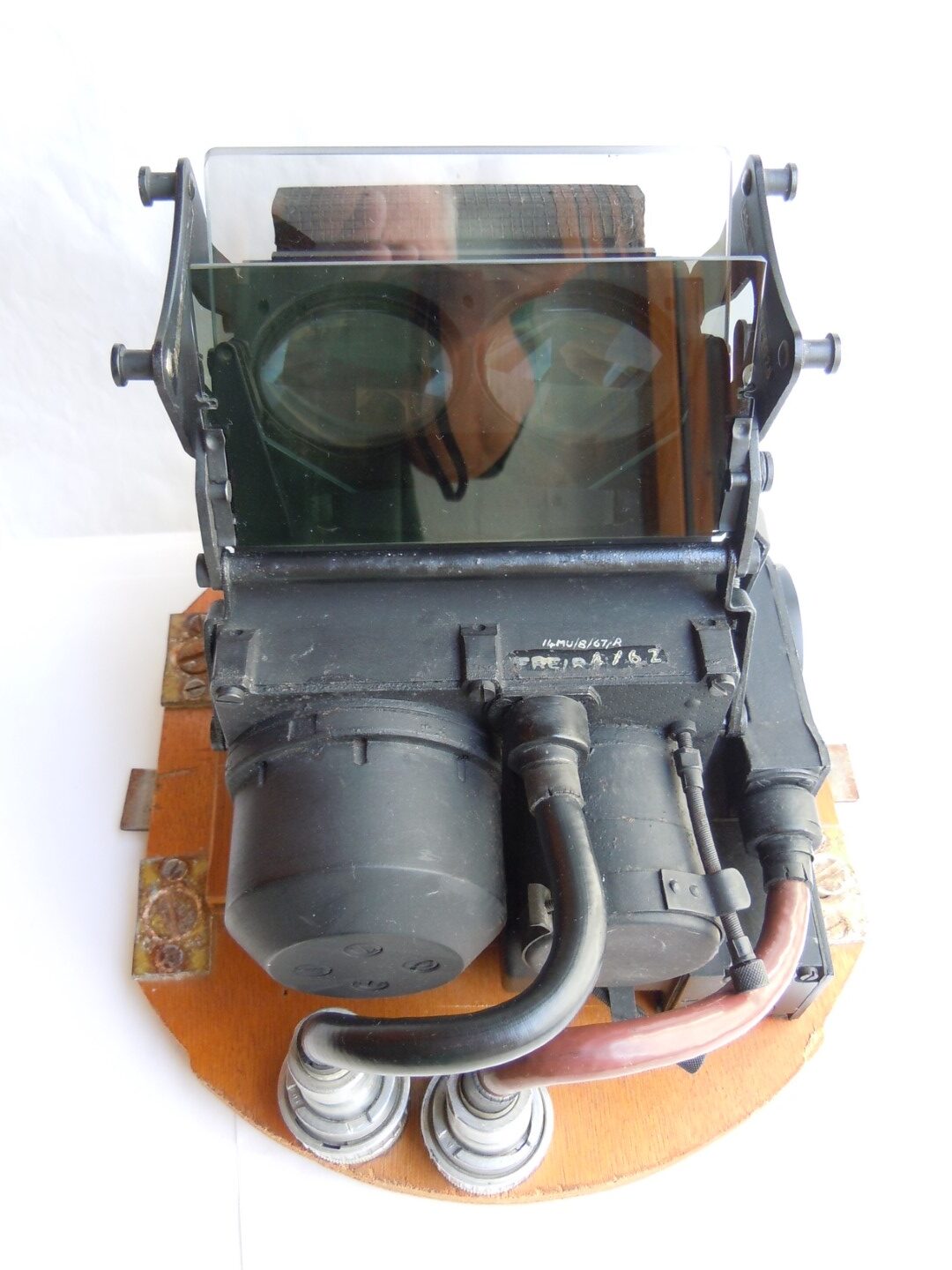
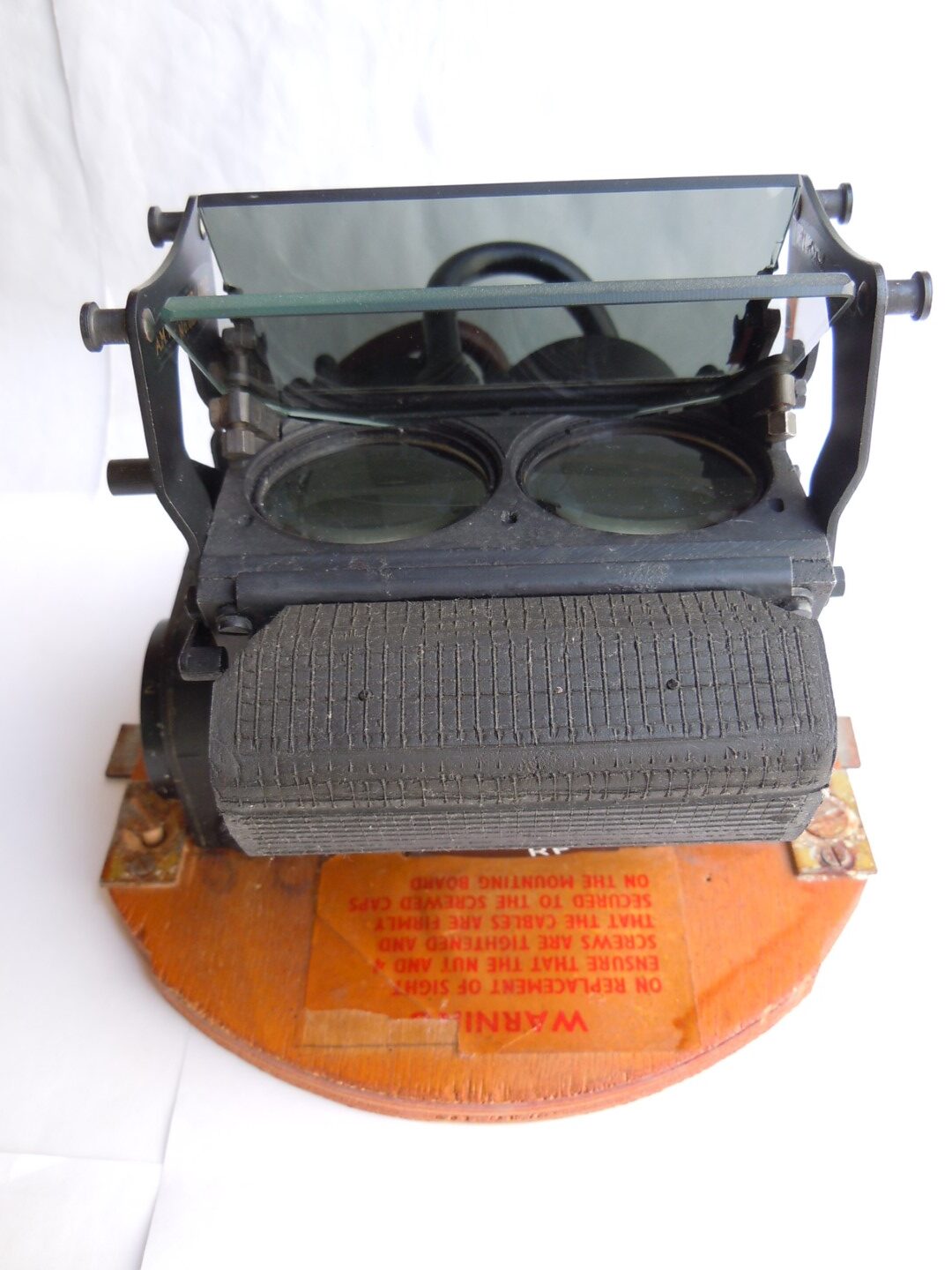
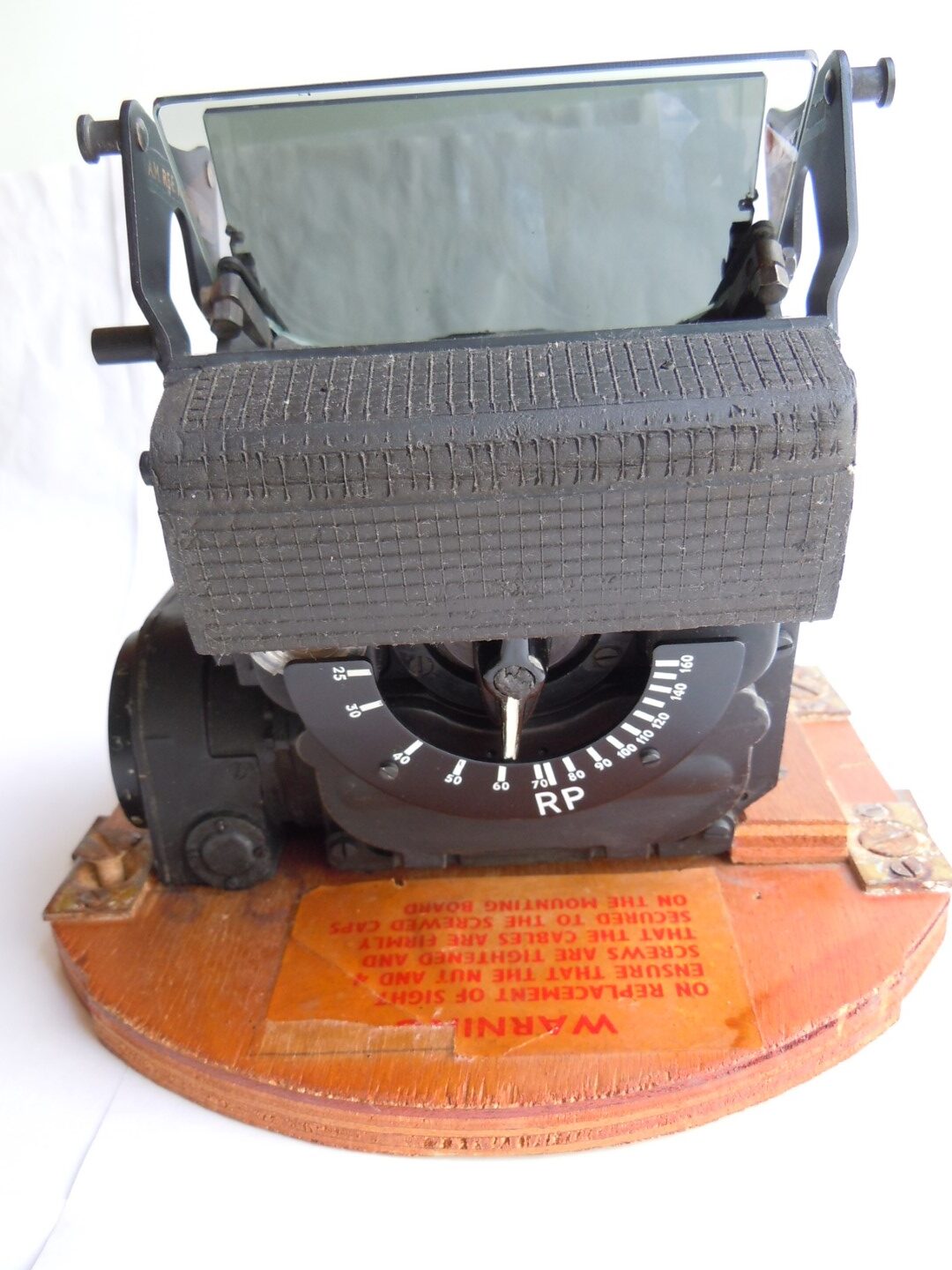
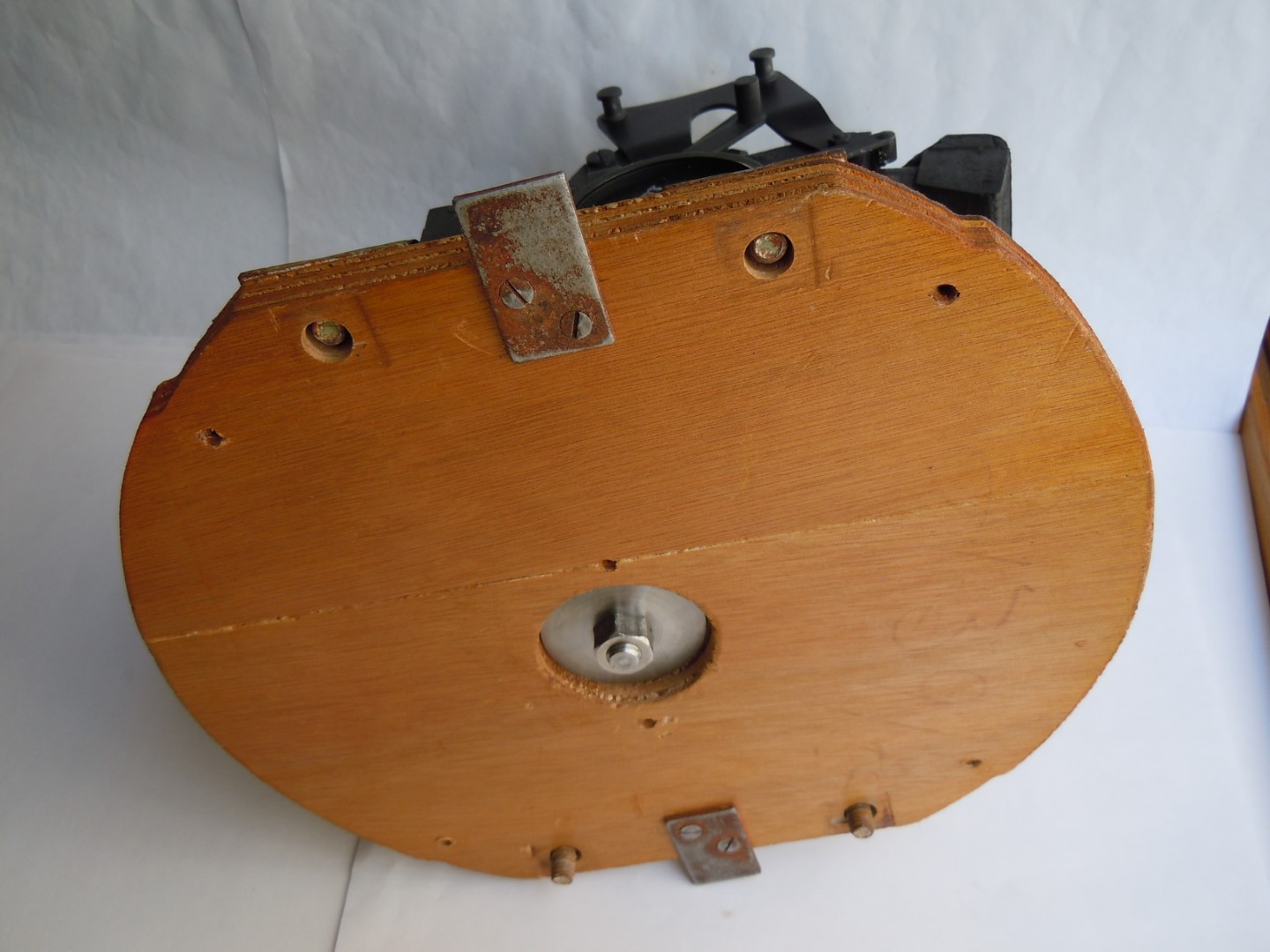
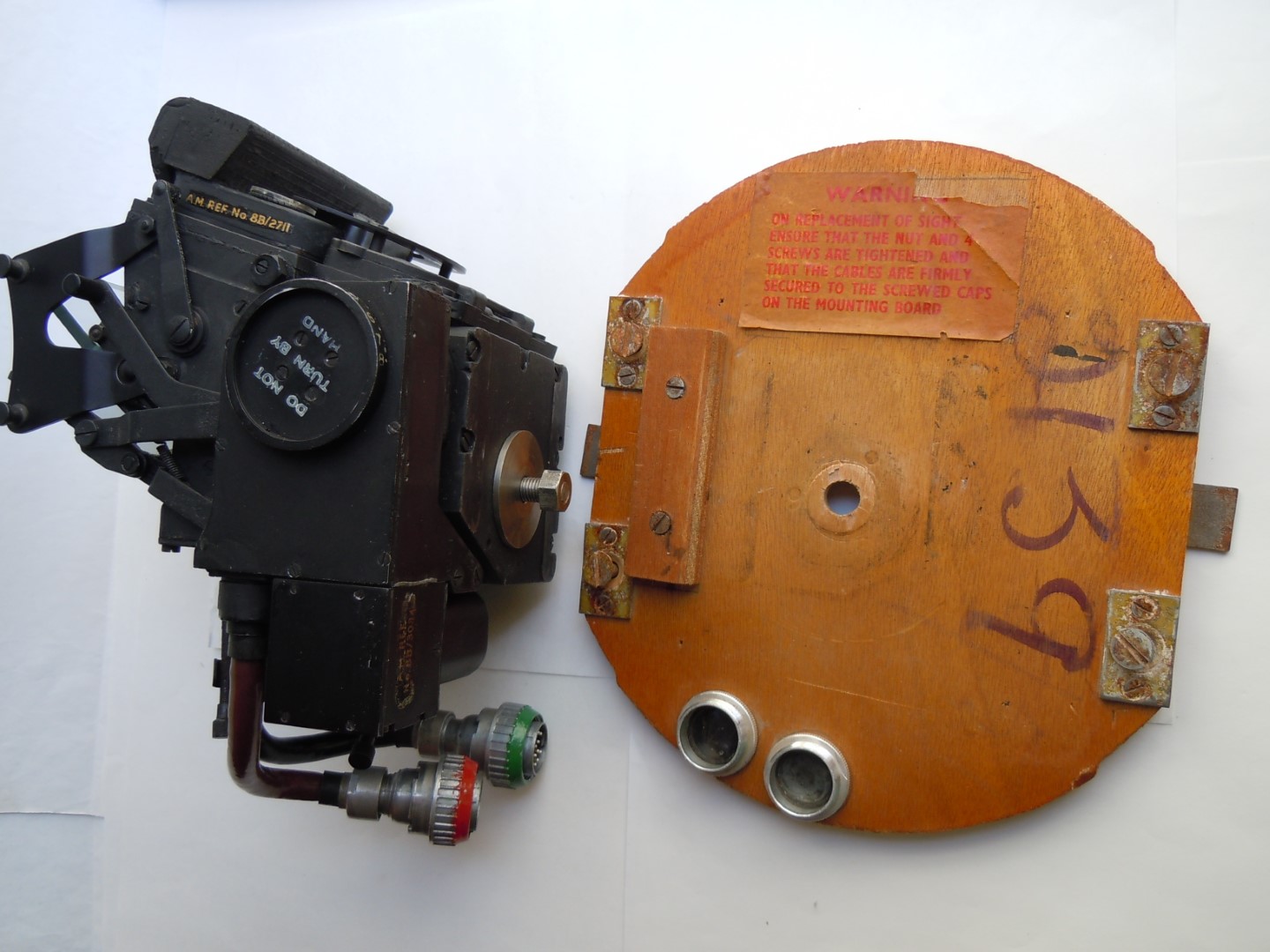
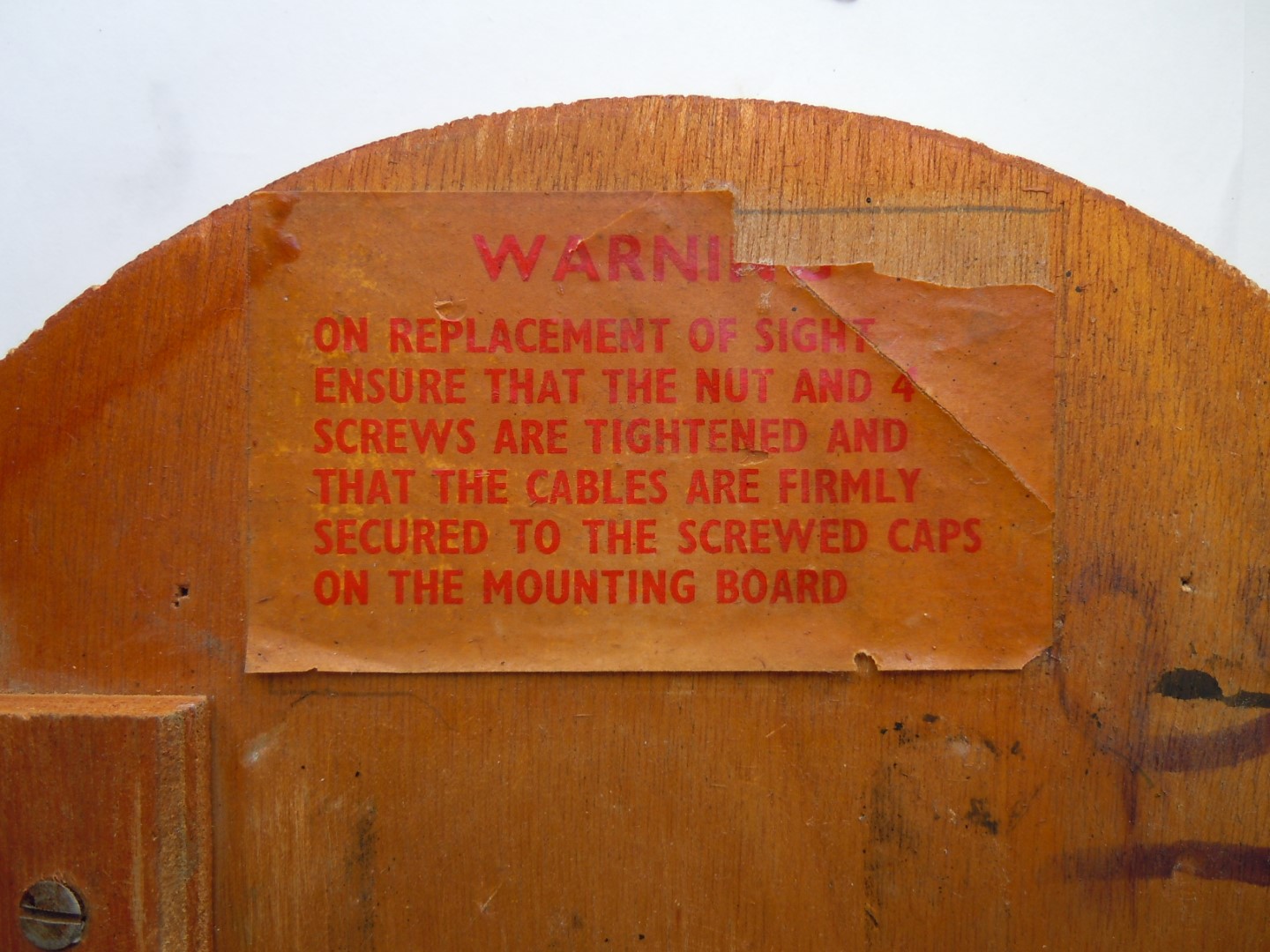
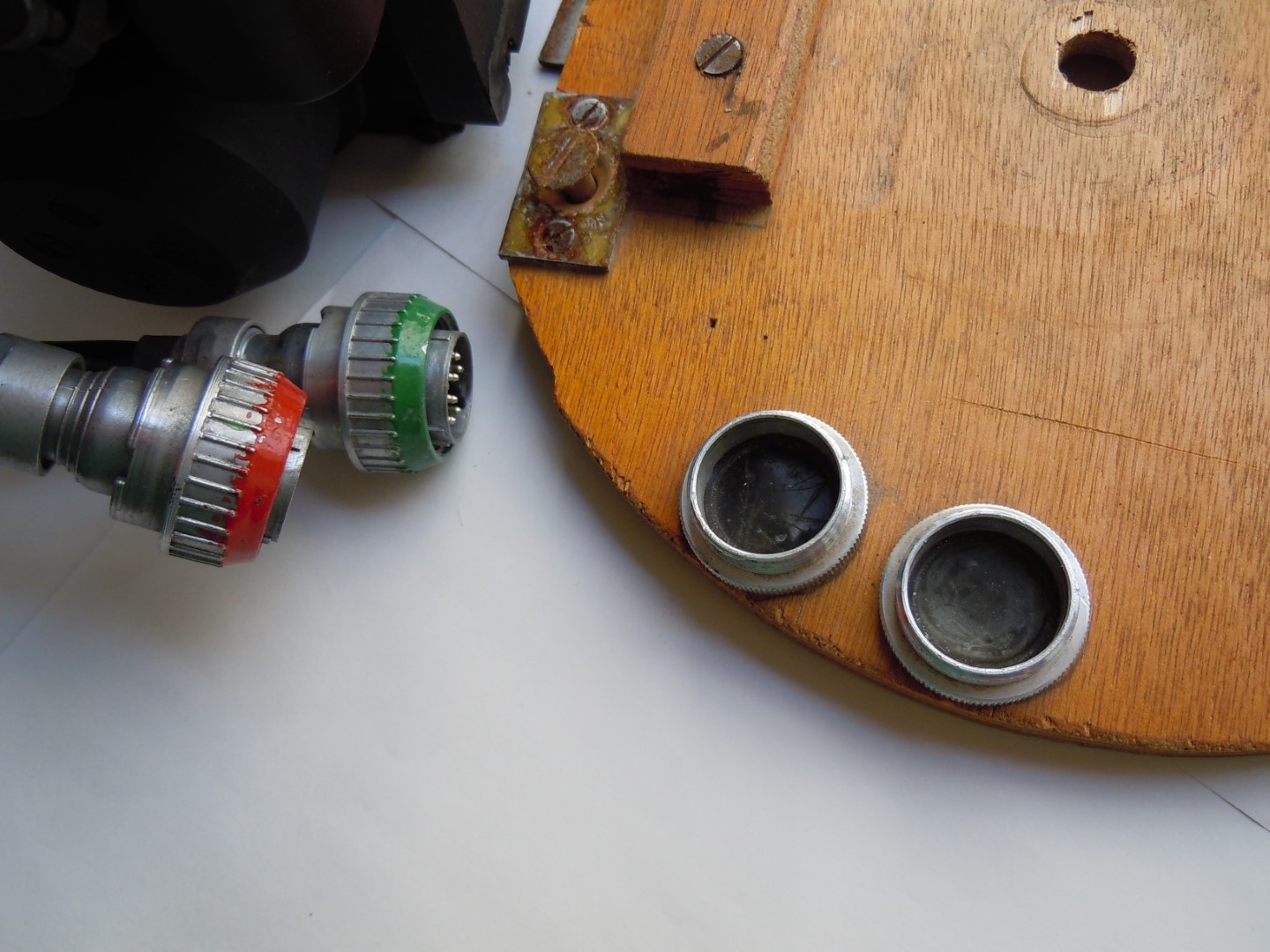
Das Kreiselvisier ist auf der originalen Bodenplatte des Transportkasten montiert und war vermutlich noch nie eingebaut gewesen. Reflexscheibe und Farbglas sind Originalteile in unbeschädigtem Zustand, ohne Kratzer oder Ausbrüche. Das Farbglas lässt sich über einen sichtlich angebrachten Hebel wegklappen.
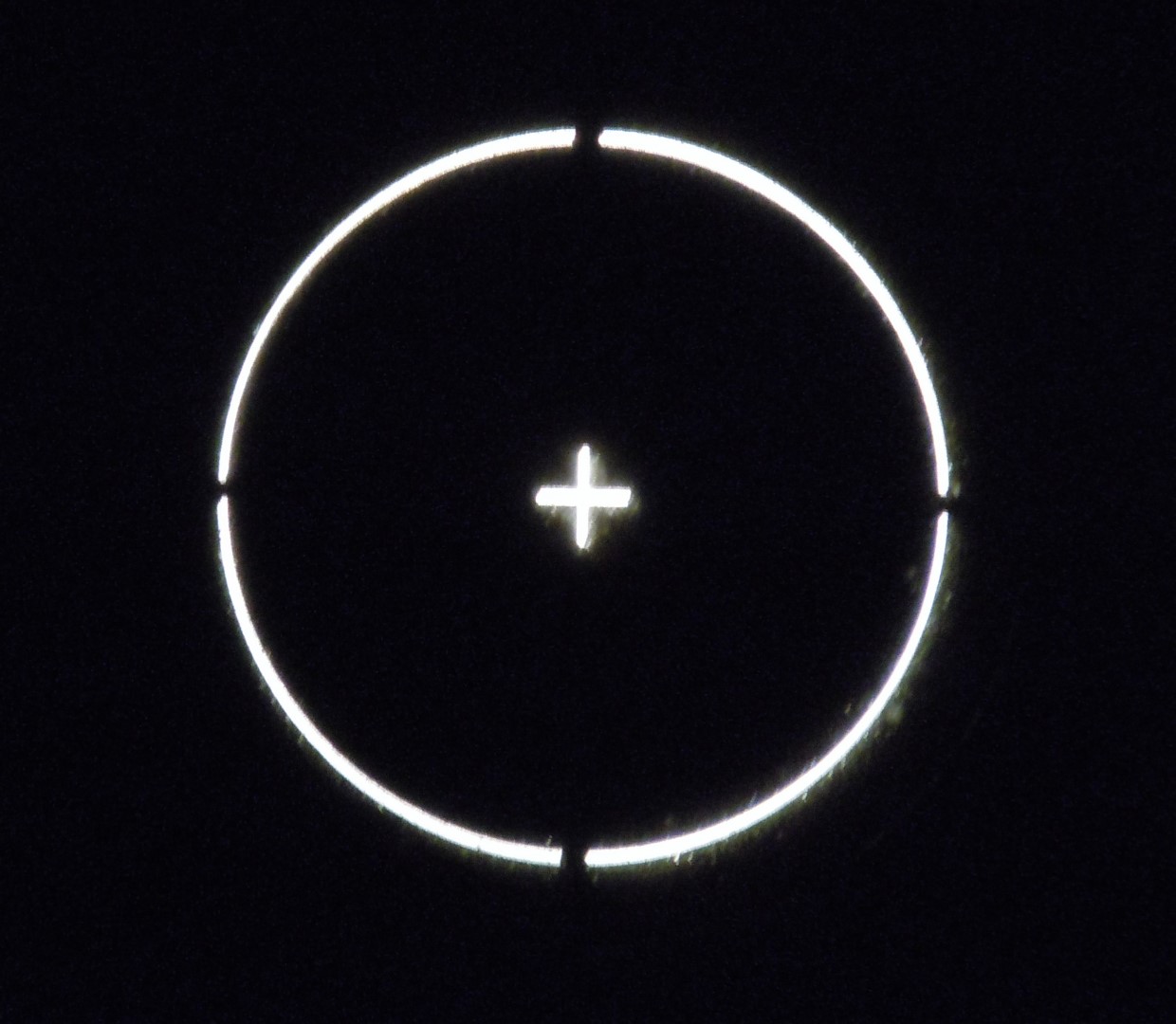
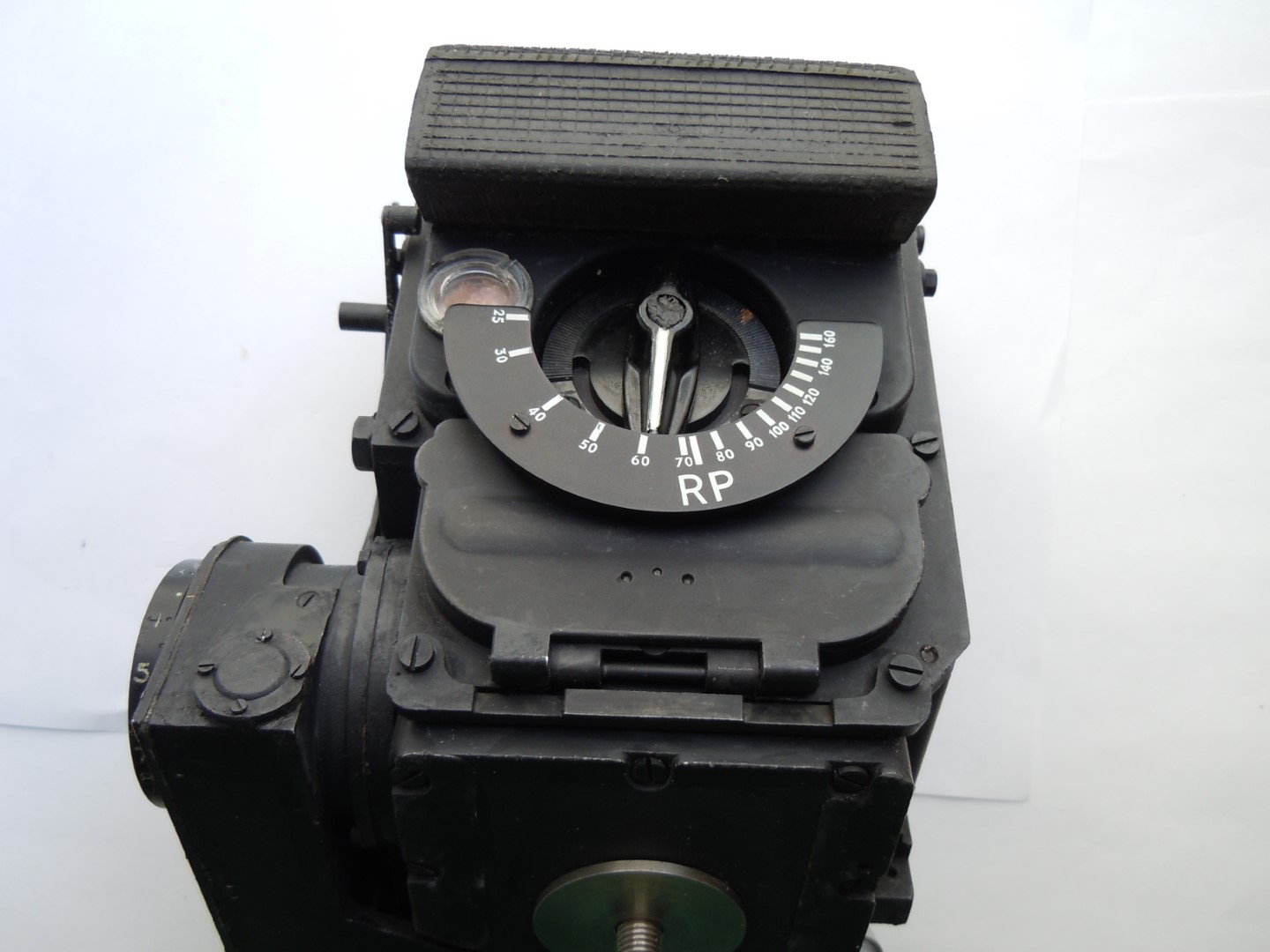
Die Optik ist sauber und klar, das Fadenkreuz der Strichplatte ist sehr gut sichtbar.
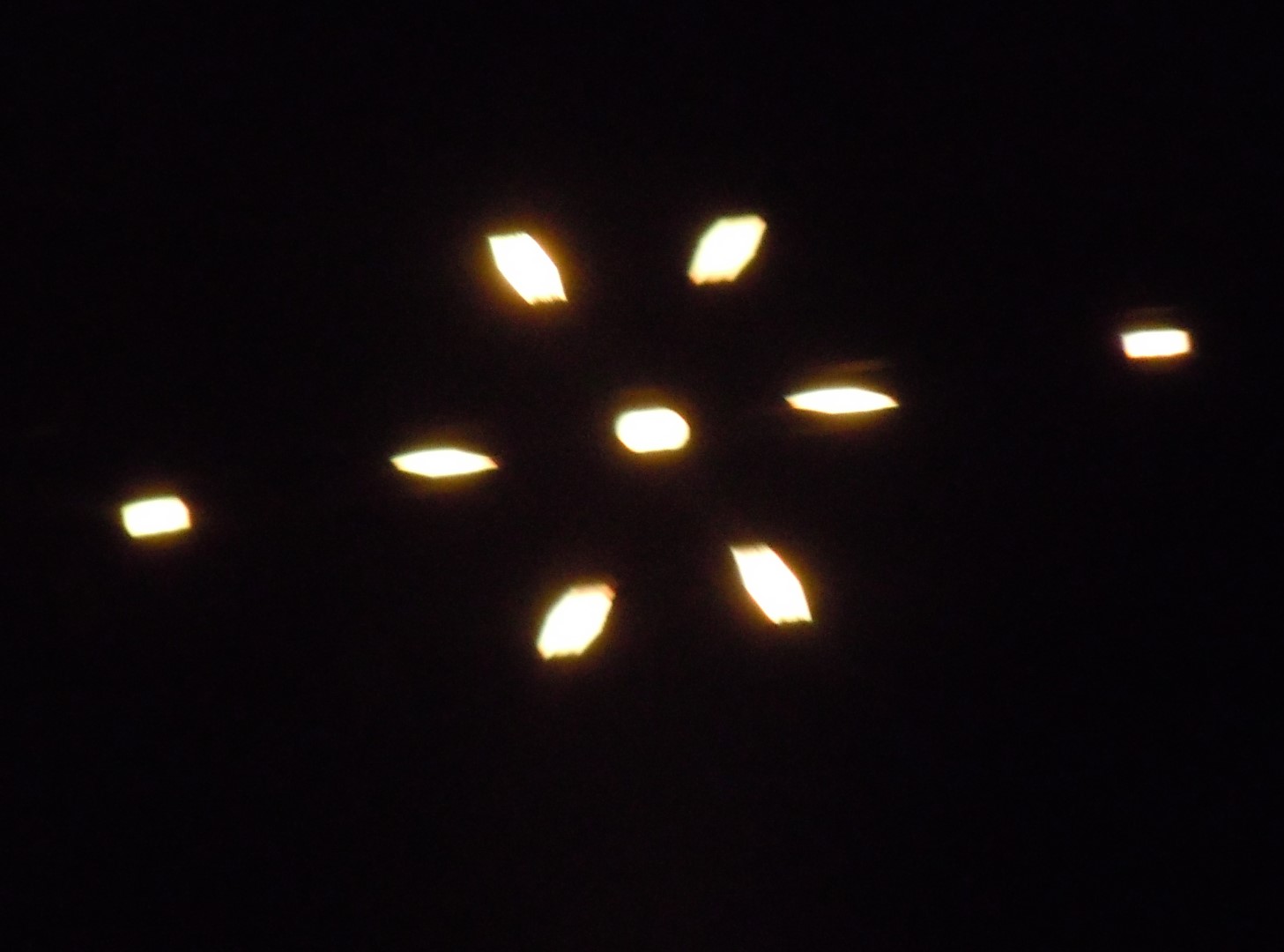
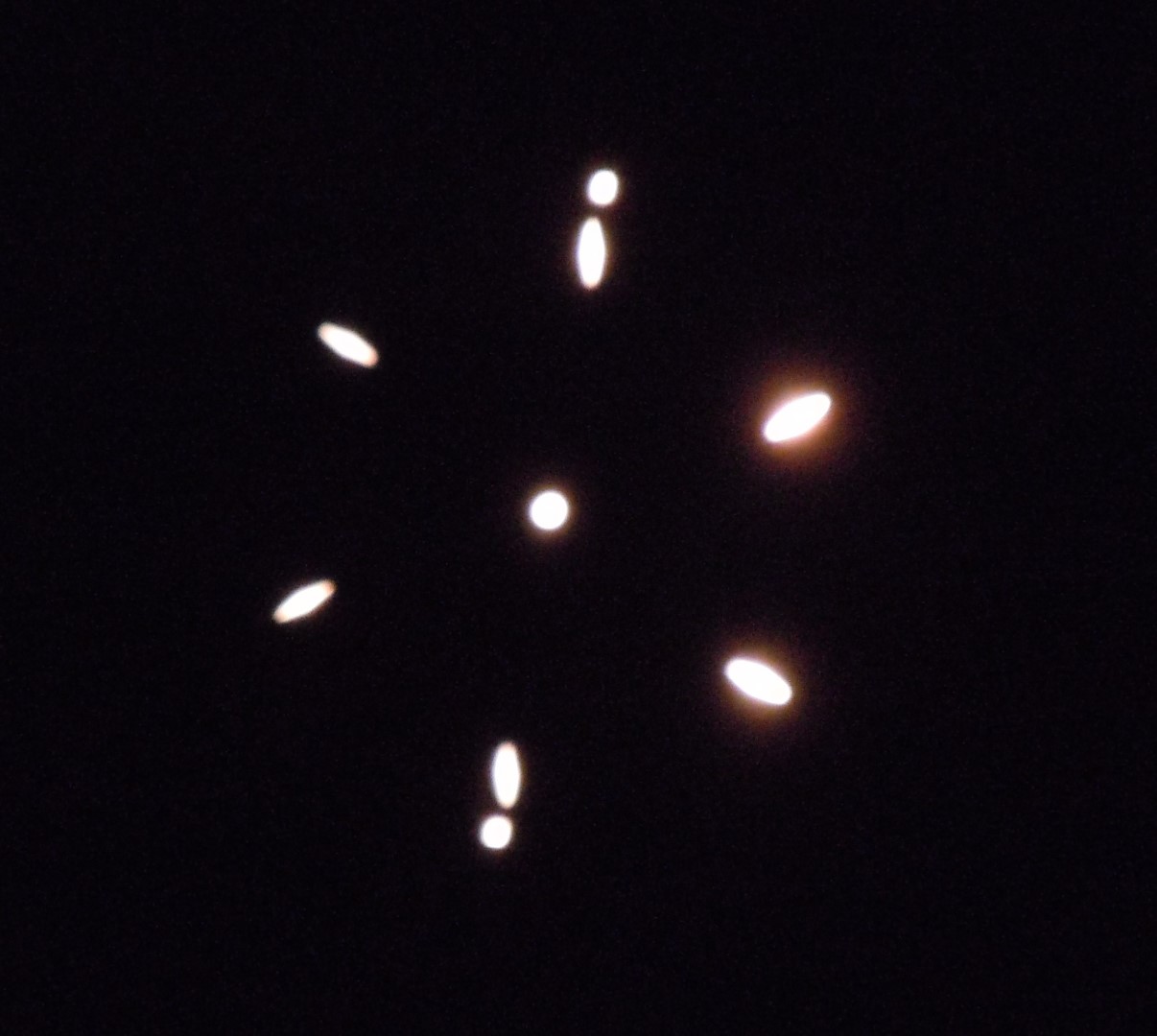
Das Gyro Gunsight, GGS MK 5A, ist ein britisches Kreiselvisier, welches als Nachfolgemodell des GGS Mark IID (1944), direkt nach dem Zweiten Weltkrieg von der Firma Ferranti in Edinburgh entwickelt wurde. Es diente zur automatischen Berechnung des Vorhaltewinkels beim Beschuss beweglicher Luftziele. Das Vorgängermodel GGS Mark IID der Firma Ferranti wurde ab 1944 zur Bekämpfung deutscher Jagd- und Kampfflugzeuge eingesetzt, siehe Fotobeispiel im Anhang.
Wichtigste Merkmale und Funktionen
- Automatische Visierung: Das System verarbeitete integrierte Kreiselmessungen und Radarsignale (sofern ein Bordradar vorhanden war), um die Entfernung zum Ziel sowie den nötigen Vorhaltewinkel vollautomatisch zu berechnen.
- Entlastung des Piloten: Der Pilot musste das feindliche Flugzeug lediglich im Visier halten und die Spannweite einstellen. Das Visier berechnete die Ballistik und die Flugzeit der Geschosse eigenständig.
- Radar-Kopplung: Im Gegensatz zu rein manuell bedienten Visieren des Zweiten Weltkriegs konnte die Baureihe MK 5 mit frühen Radarentfernungsmessern gekoppelt werden.
Das MK 5A und seine direkten Modifikationen kamen vor allem in der ersten Generation britischer Strahlflugzeuge der Royal Air Force (RAF) zum Einsatz, darunter z.B. Gloster Meteor, de Havilland Vampire und Hawker Hunter.
Teilekennzeichnungen am Kreiselvisier:
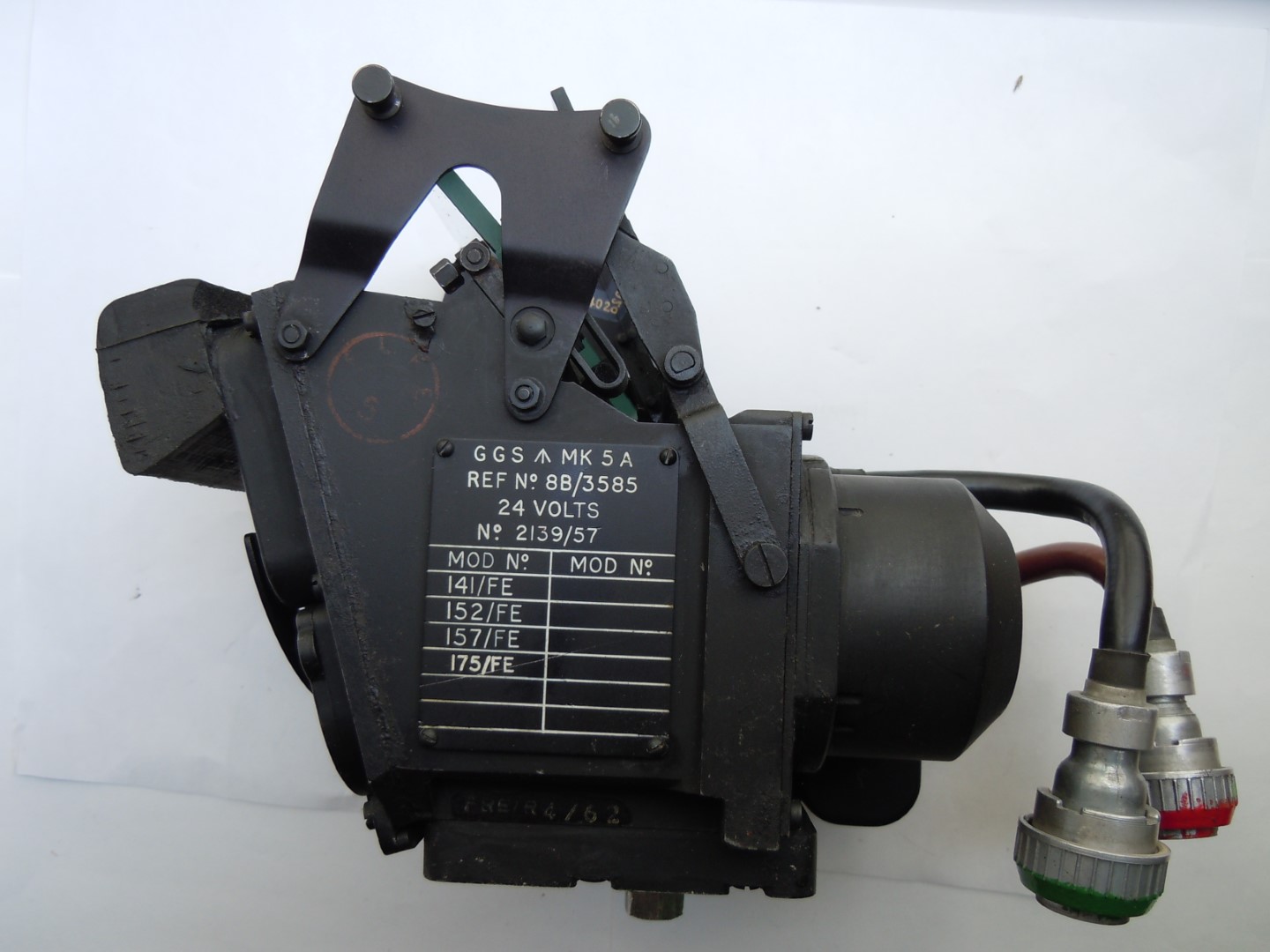
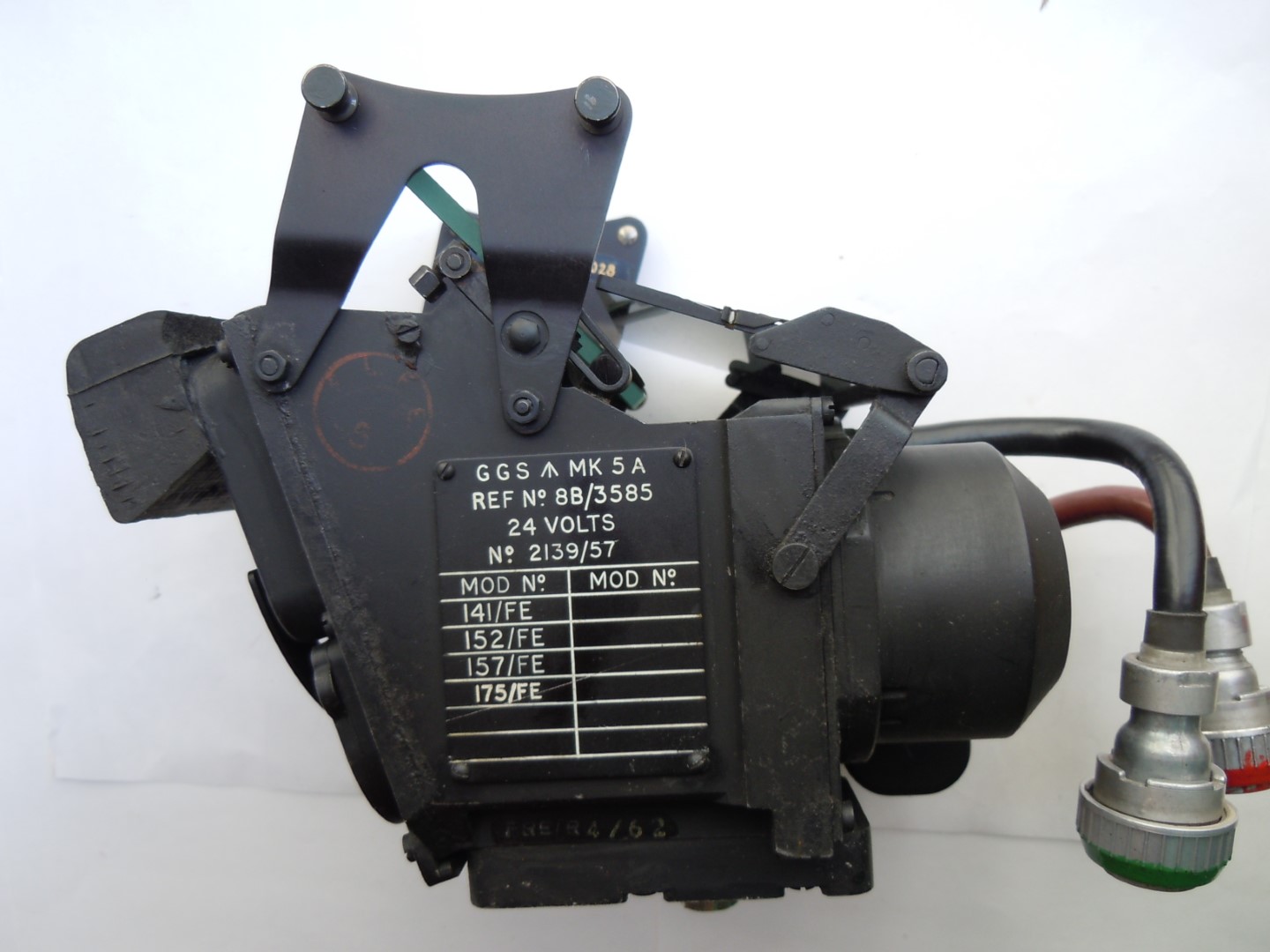
- A.M. REF N° 8B/3585
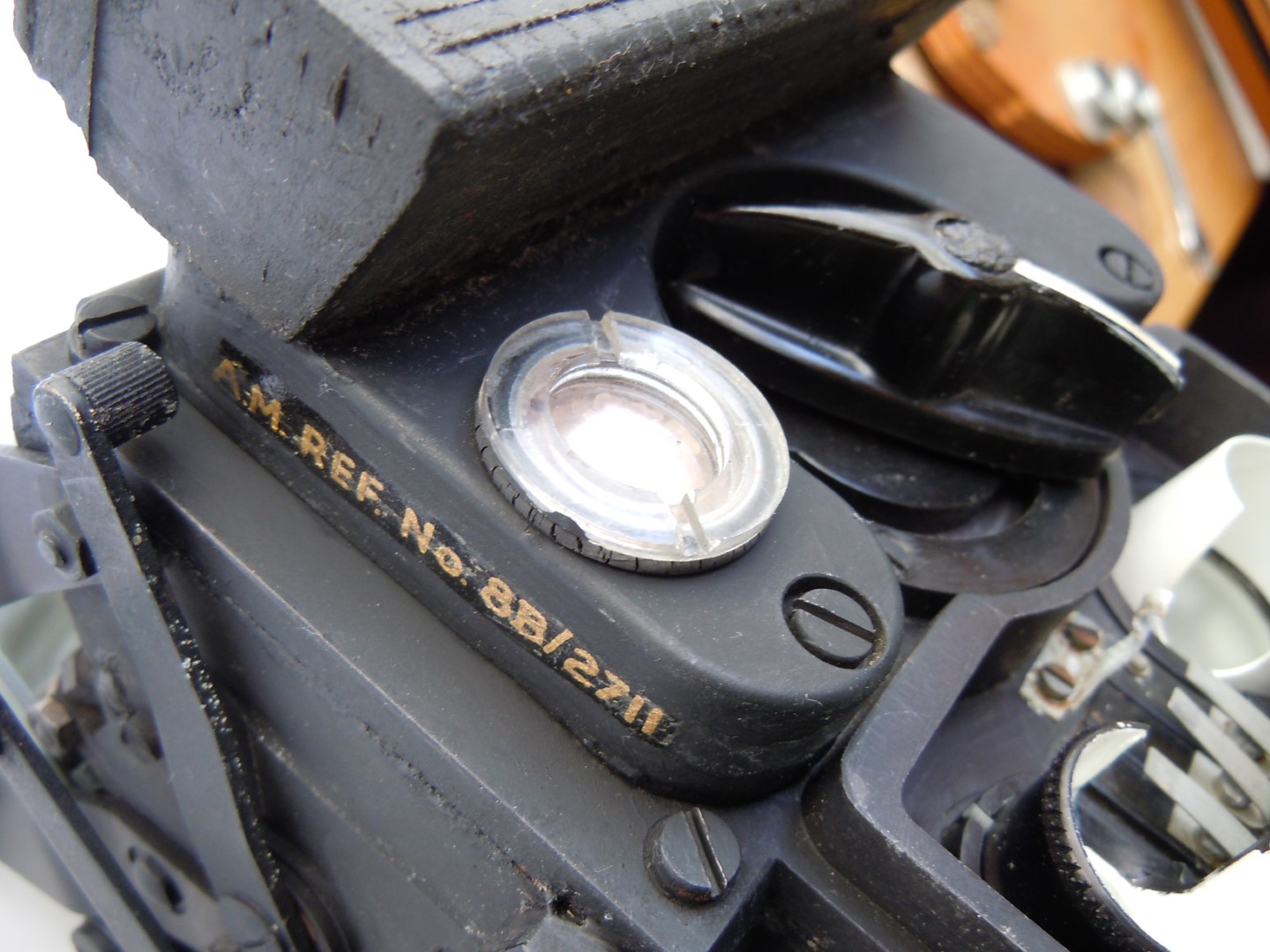
- A.M. REF N° 8B/2711
- A.M. REF N° 8B/2911
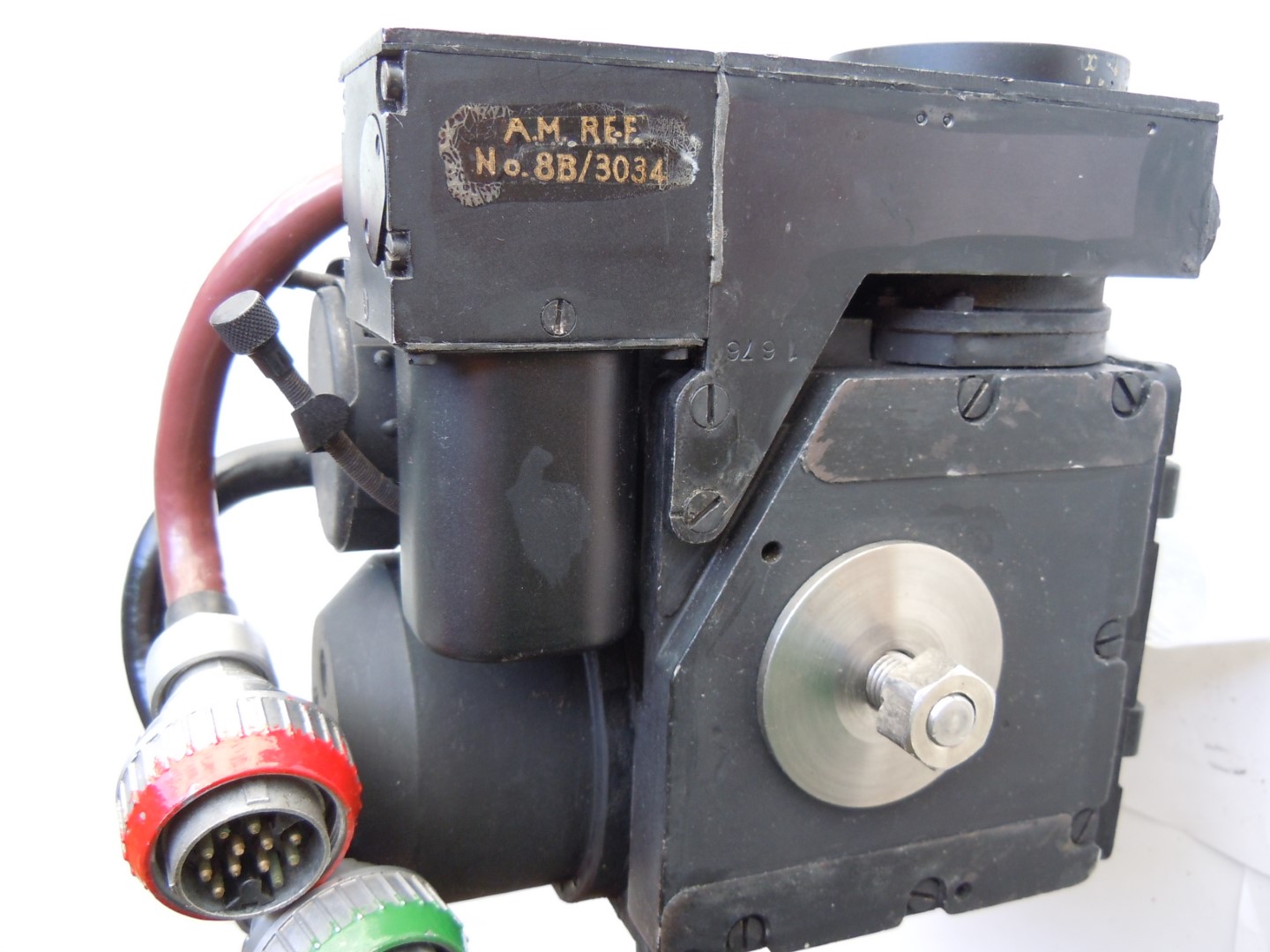
- A.M. REF N° 8B/3034
- A.M. REF N° 8B/4028
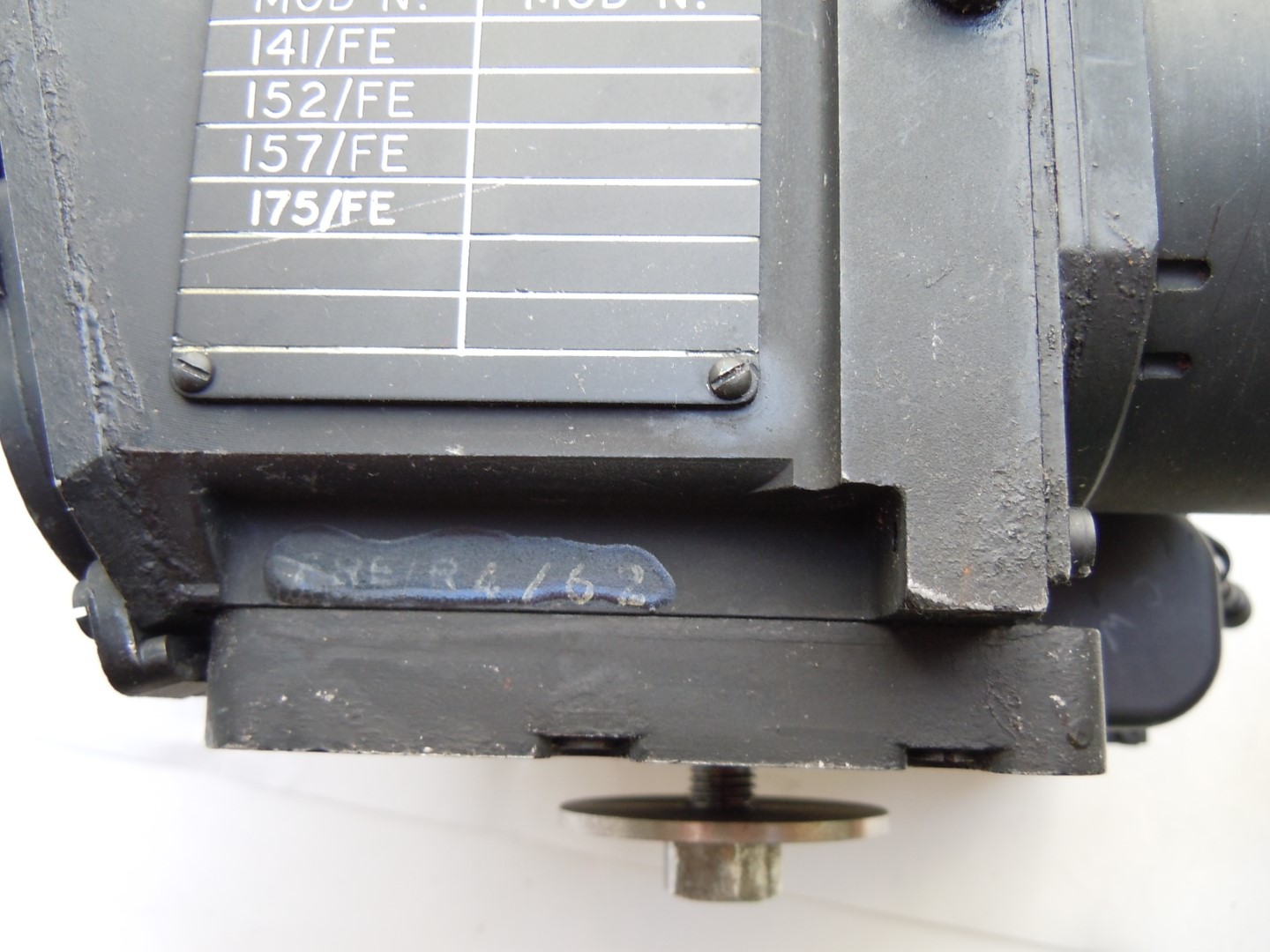
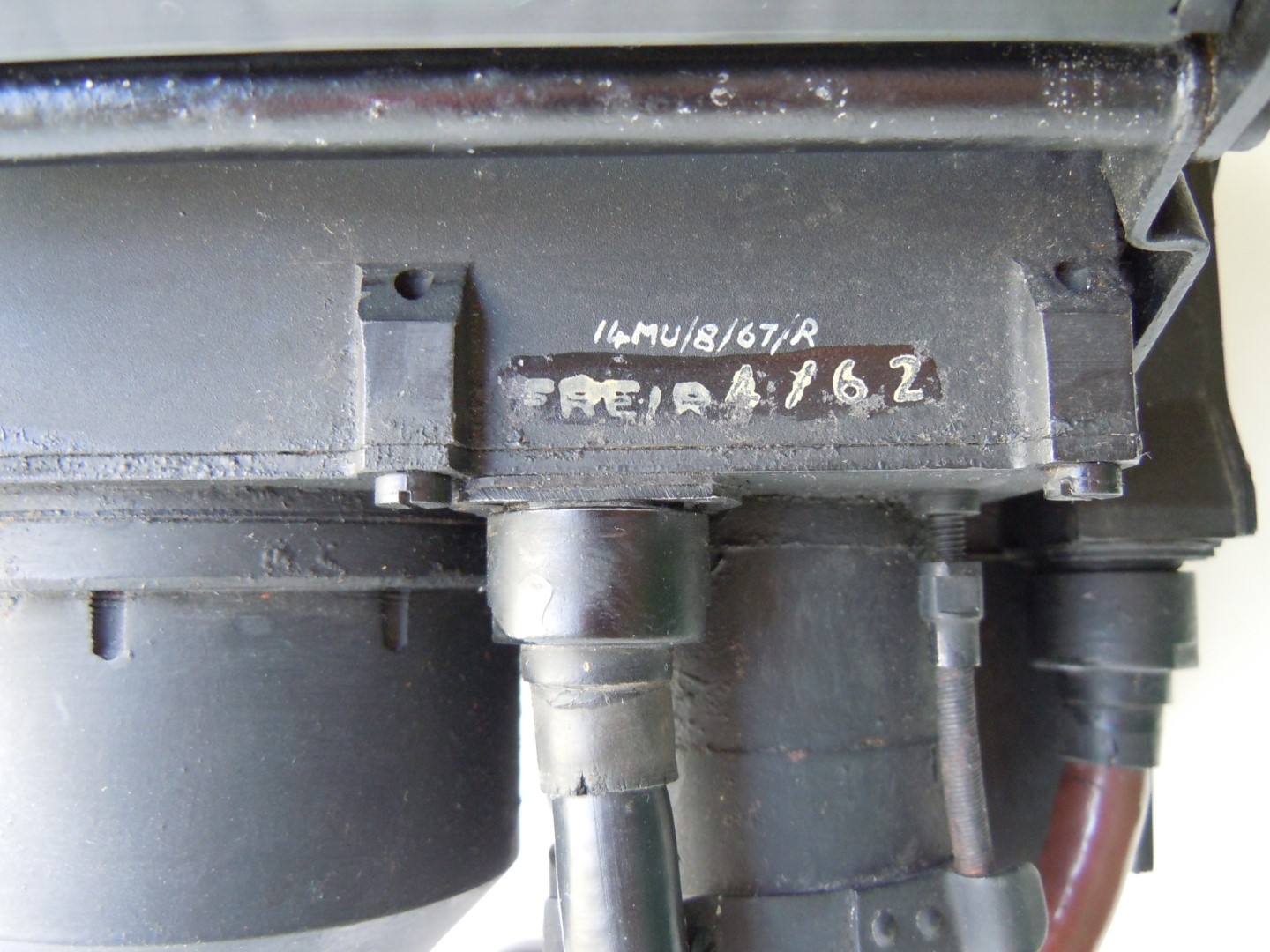
- FRE / R4/62
Den genauen Zustand bitte den zahlreichen Fotos entnehmen!
Die Originalität wird garantiert!
- Bezeichnung: Gyro Gunsight GGS MK 5A
- Typenbezeichnung: REF N° 8B/3585
- Baumuster: GGS MK 5A
- Hersteller: Ferranti, Edinburgh (UK)
- Werk-Nr.: 2139/57
- Eingebaut in: z.B.Gloster Meteor, de Havilland Vampire
On offer is this original and extremely rare British gyroscopic gunsight manufactured by Ferranti of Edinburgh.
The gyroscopic gunsight is in very good condition and is believed to be fully functional, with no visible missing parts or damage. The device has a very well-preserved original paint finish and a very attractive type plate.
The gyroscopic gunsight is mounted on the original base plate of the transport box and has probably never been fitted. The reflex disc and colour filter are original parts in undamaged condition, with no scratches or chips. The colour filter can be folded away using a clearly visible lever.
The sight picture is clean and clear, and the reticle on the rear sight is very clearly visible.
The Gyro Gunsight, GGS MK 5A, is a British gyroscopic sight developed by Ferranti in Edinburgh immediately after World War II as the successor to the GGS Mark IID (1944). It was used to automatically calculate the lead angle when engaging moving aerial targets. The predecessor model, the Ferranti GGS Mark IID, was deployed from 1944 onwards to combat German fighter and attack aircraft, see the attached photograph.
Key features and functions
Automatic targeting: The system processed integrated gyroscopic measurements and radar signals (where an on-board radar was fitted) to calculate the distance to the target and the required lead angle fully automatically.
Pilot relief: The pilot merely had to keep the enemy aircraft in the sight and set the range. The sight calculated the ballistics and flight time of the projectiles independently.
Radar linkage: Unlike purely manually operated sights of the Second World War, the MK 5 series could be linked to early radar rangefinders.
The MK 5A and its direct variants were primarily used in the first generation of British jet aircraft of the Royal Air Force (RAF), including, for example, the Gloster Meteor, Hawker Hunter and de Havilland Vampire.
Part markings on the gyroscopic gunsight:
A.M. REF N° 8B/3585
A.M. REF N° 8B/2711
A.M. REF N° 8B/2911
A.M. REF N° 8B/3034
A.M. REF N° 8B/4028
FRE / R4/62
Please refer to the numerous photos for the exact condition!
The originality is guaranteed!
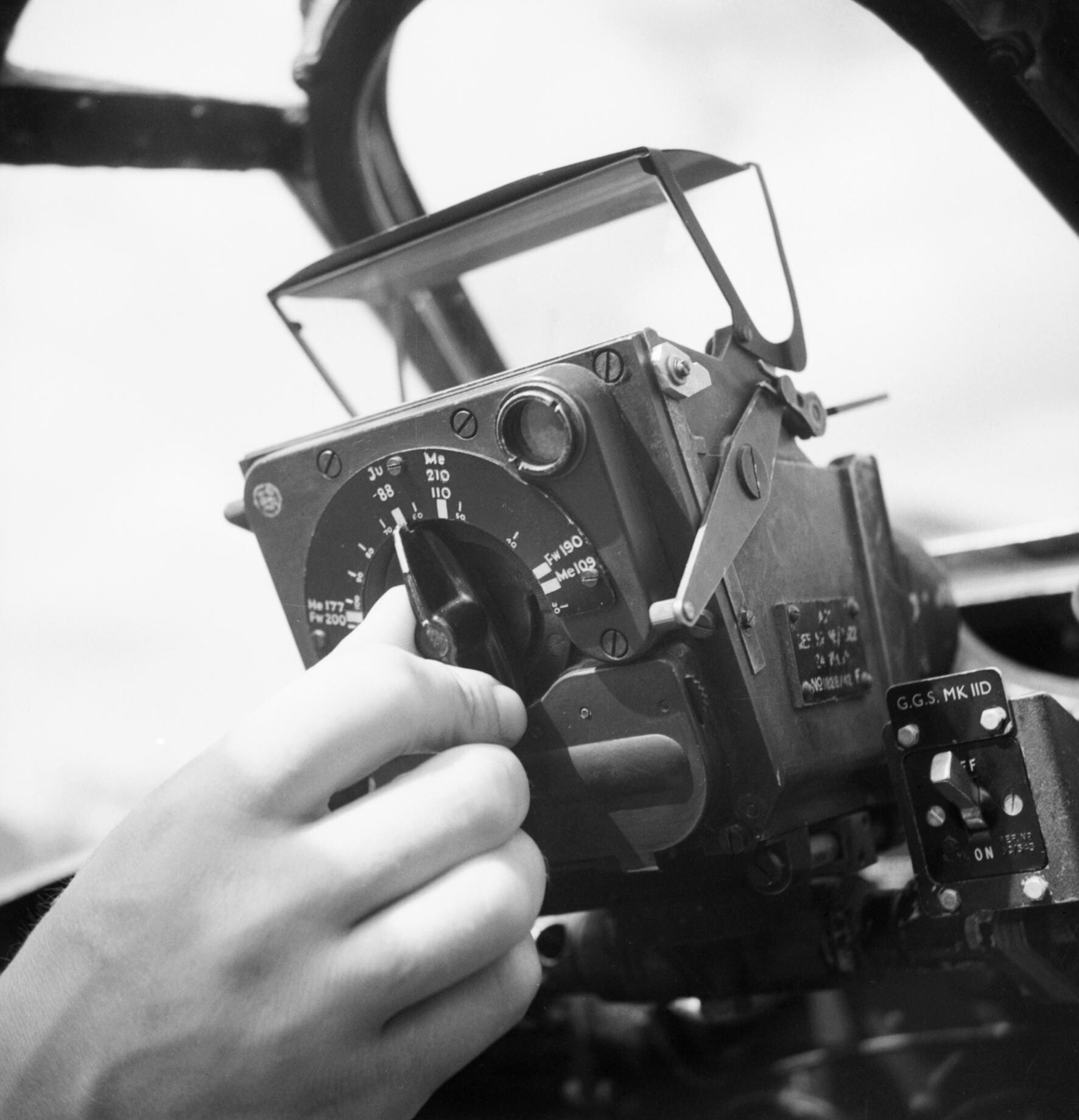
Vorgängermodell: GGS Mark IID, im Einsatz ab Sommer 1944